

Barbell Knurling Explained: Aggressive vs Medium vs Passive Grip
If you’ve ever picked up two different barbells and thought, “why does this one feel completely different?” — you were probably feeling the knurling.
Knurling is one of the most important—and most overlooked—features of a barbell.
It directly affects your grip, control, and confidence under heavy weight.
At Texas Power Bars, knurling isn’t an afterthought—it’s part of our identity. Since 1980, our bars have been known worldwide for their iconic aggressive knurling that delivers unmatched grip without sacrificing control.
This guide breaks down the different types of knurling and how to choose the right one for your training.
What Is Barbell Knurling?
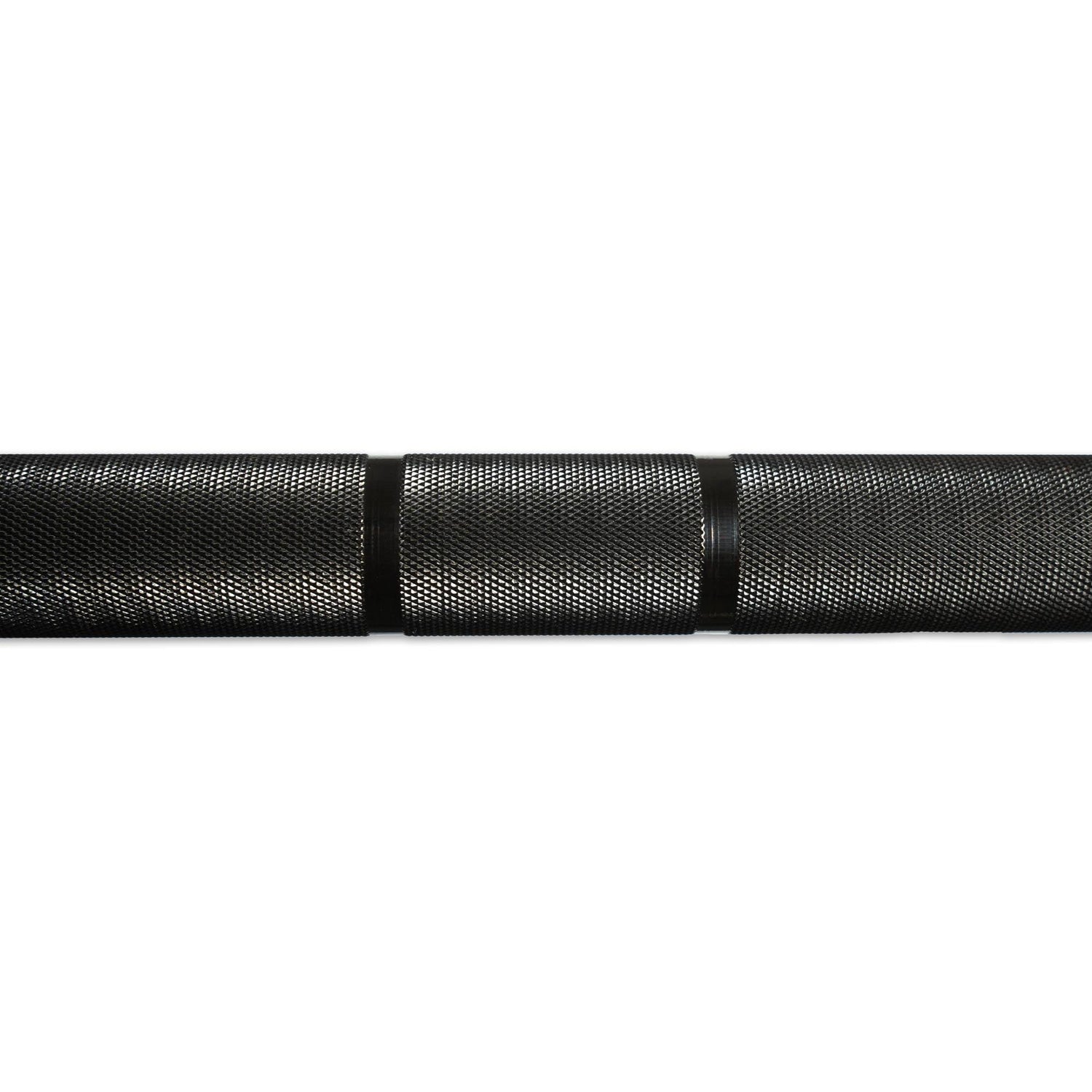
Knurling is the crosshatch pattern cut into the shaft of a barbell to improve grip.
It allows you to:
- Hold heavier weight securely
- Maintain control during lifts
- Reduce reliance on straps
The deeper and sharper the pattern, the more grip it provides.
Types of Barbell Knurling
Aggressive Knurling (Maximum Grip)
Aggressive knurling is designed for heavy lifting where grip is critical.
Best for:
- Deadlifts
- Heavy bench press
- Max-effort squats
Examples:
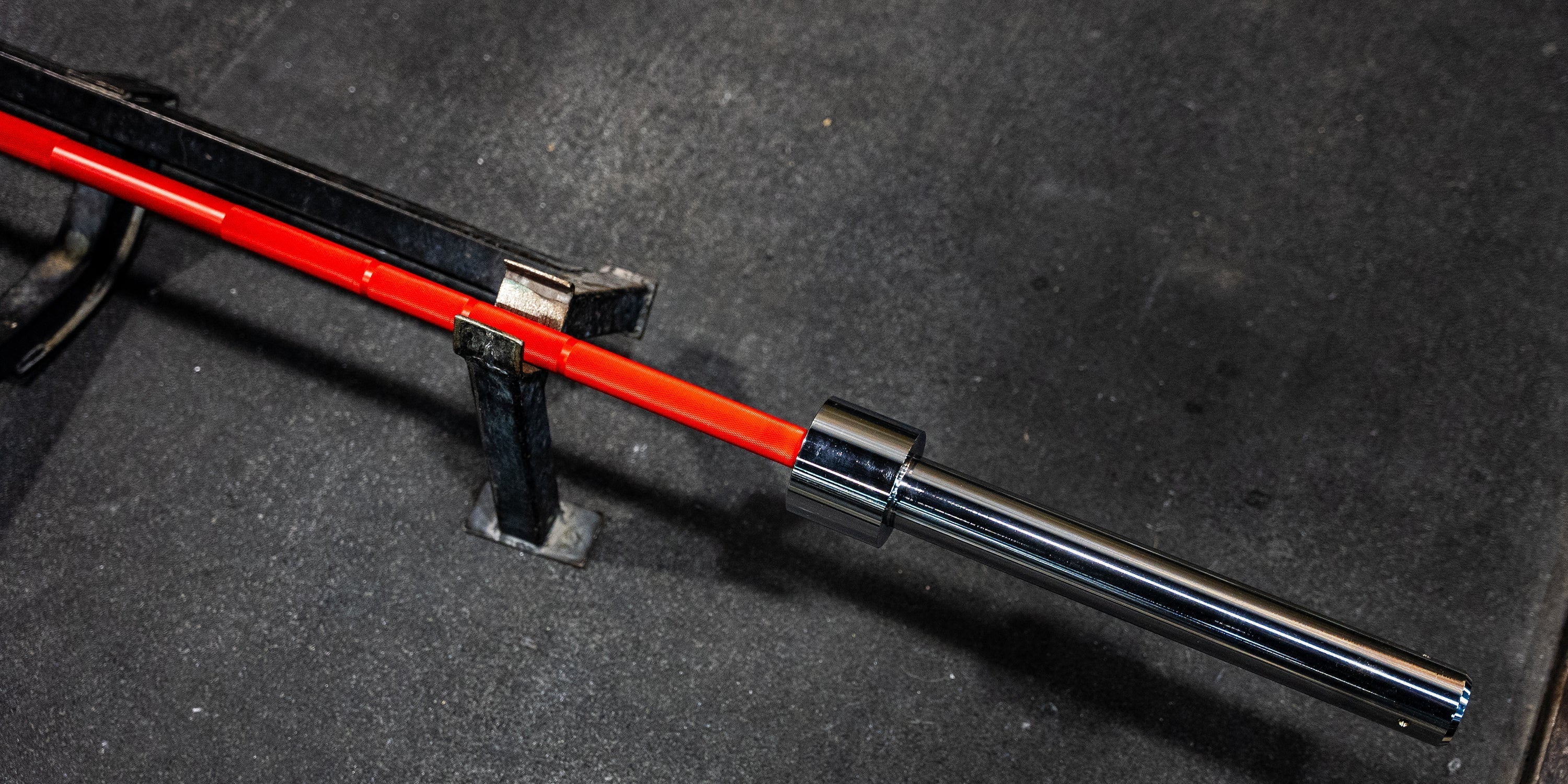
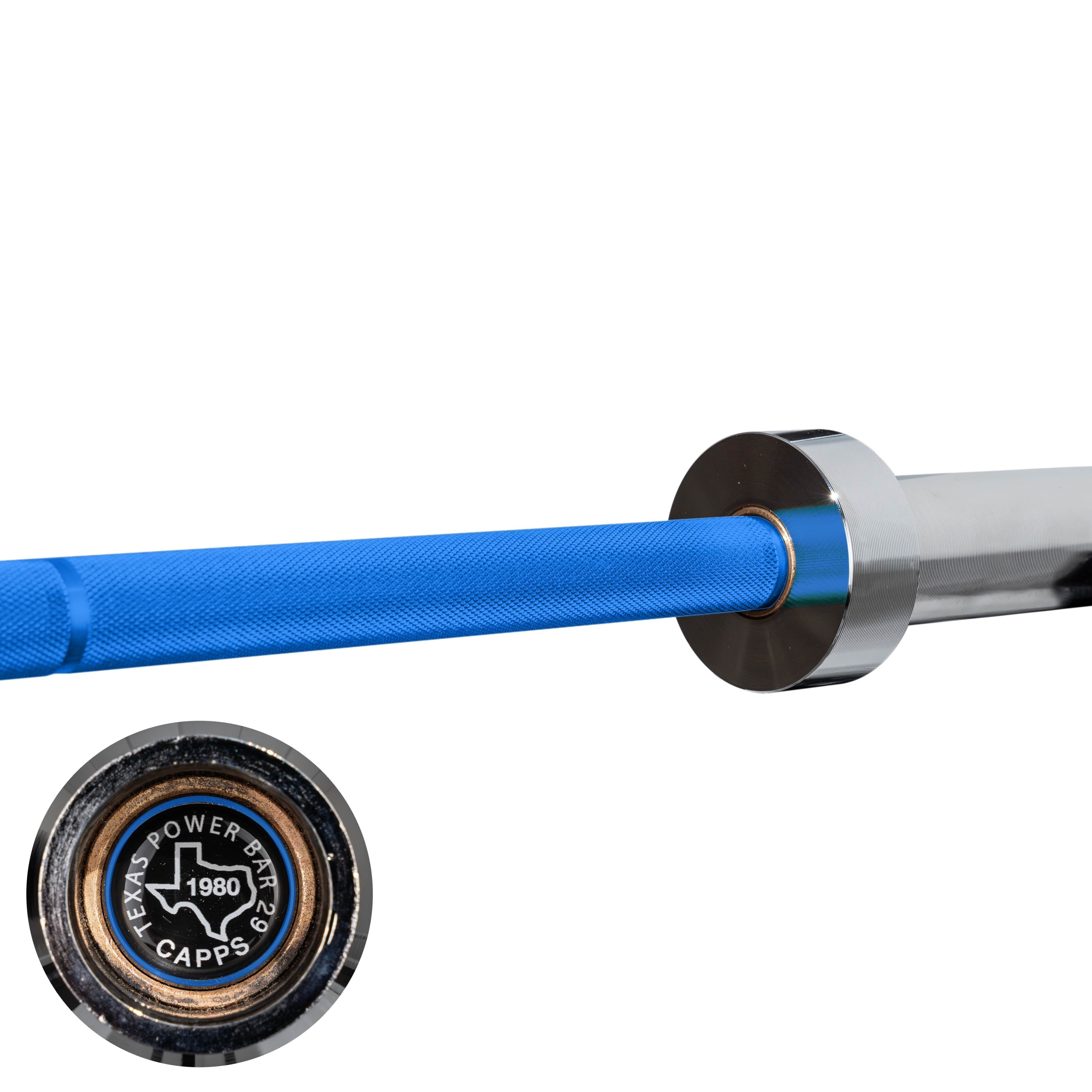
Texas Power Bars are known for having some of the most aggressive knurling in the industry—yet still manageable and comfortable for repeated training.
That balance is what makes them legendary.
Medium Knurling (Balanced Grip & Comfort)
Medium knurling offers a balance between grip and comfort.
Best for:
- Higher-rep training
- General strength work
- Multi-purpose lifting
Example:
-
Texas All American Bar
28.5mm shaft • medium knurl • versatile for all lifting styles
This type of knurling is easier on the hands during longer sessions.
Passive Knurling (Minimal Grip)
Passive knurling is shallow and smooth.
Often found on lower-quality or beginner bars, it provides:
- Less grip security
- More reliance on straps
- Less control under heavy weight
For serious strength training, passive knurling is usually a limitation.
Center Knurl: What It Does
Some bars include a center knurl, while others do not.
- With center knurl → helps the bar stay in place on your back during squats
- Without center knurl → more comfortable for deadlifts
Examples:
- Texas Squat Bar → 6" center knurl for maximum back stability
- Texas Deadlift Bar → no center knurl for comfort
Why Knurling Matters More Than You Think
Knurling directly affects:
- Grip strength
- Bar control
- Confidence under heavy loads
A bar with poor knurling can limit your performance—even if everything else is strong.
A well-designed knurl allows you to:
- Lift heavier without slipping
- Maintain position during maximal attempts
- Train more consistently without grip failure
What Makes Texas Power Bar Knurling Different?
Not all aggressive knurling is the same.
Texas Power Bars have spent decades refining their knurl pattern to create:
- A deep, precise cut for maximum grip
- A pattern that holds chalk effectively
- A feel that stays consistent over time
Aggressive doesn’t have to mean painful.
The goal is grip you can trust—rep after rep, year after year.
That’s why lifters worldwide recognize the Texas Power Bar feel the moment they pick it up.
Which Knurling Should You Choose?
-
Aggressive knurl
Best for heavy lifting and powerlifting -
Medium knurl
Best for versatility and higher-volume training -
Passive knurl
Best for beginners or light training
Your choice should match your training intensity and goals.
Explore Texas Power Bars
- Original Texas Power Bar
- 29mm Texas Power Bar
- Texas Deadlift Bar
- Texas Squat Bar
- Texas All American Bar
- Specialty Bars
Final Thoughts
Knurling is more than just texture—it’s your connection to the bar.
The right knurling gives you confidence. The wrong knurling holds you back.
Choose a bar that grips when it matters most.

Leave a comment
All comments are moderated before being published.
This site is protected by hCaptcha and the hCaptcha Privacy Policy and Terms of Service apply.