

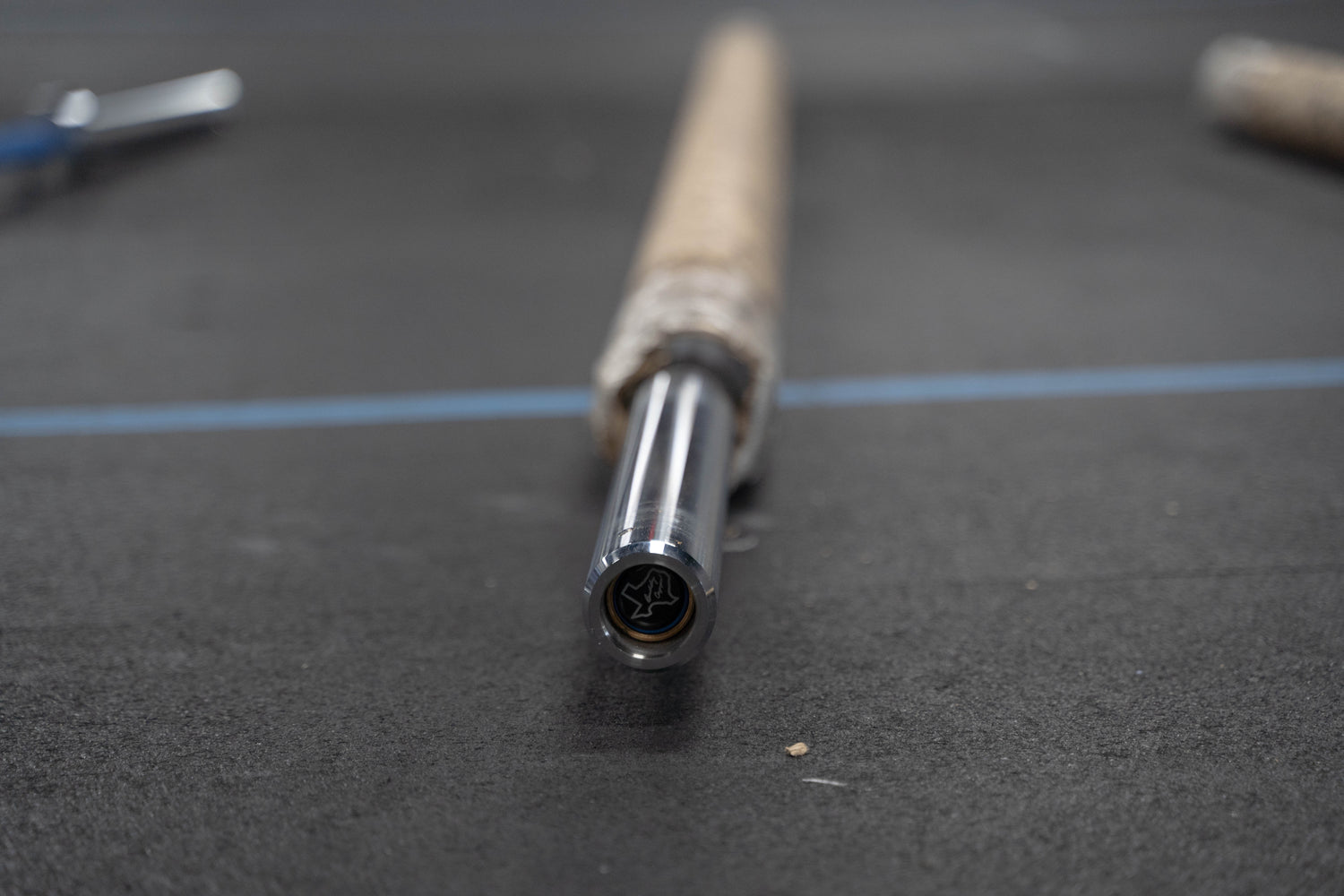
Barbell Sleeve Length Explained: Why It Matters More Than You Think
When most lifters shop for a barbell, they focus on shaft diameter, knurling, and tensile strength.
But there’s another spec that directly impacts how much weight you can lift — and how the bar feels under serious load:
Sleeve length.
At Texas Power Bars, we’ve spent decades building barbells designed for real strength. Understanding sleeve length helps you choose a bar that doesn’t just feel right — but actually supports your progression as the weight gets heavy.
What Is Barbell Sleeve Length?
Barbell sleeve length refers to the loadable portion of the bar — the space where weight plates are placed.
This determines:
- How many plates you can load
- Total weight capacity
- How weight is distributed across the bar
- How stable the bar feels under load
In simple terms: longer sleeves = more loading potential.
Compare All Texas Power Bars →
Standard Barbell Sleeve Lengths
Most Olympic barbells fall into similar ranges — but small differences matter when the weight gets heavy.
- ~15” sleeves → multipurpose bars
- ~16”–17” sleeves → power bars
- Extended sleeves → specialty bars (deadlift & squat bars)
Examples from Texas Power Bars:
- Texas All American Bar → ~15” sleeves for versatility
- Original Texas Power Bar → optimized for heavy compound lifts
- Texas Deadlift Bar → longer design for maximum loading
- Texas Squat Bar → extended overall design built for extreme loads and stability
Why Sleeve Length Matters
1. Total Weight Capacity
The most direct impact: how much weight you can physically load.
If you run out of sleeve space, you’re done — regardless of strength.
This becomes critical for:
- Advanced lifters
- Powerlifters handling maximal loads
- Lifters using thicker plates (iron or bumper)
The Texas Deadlift Bar is designed specifically for this — longer length, more loadable space, and built to handle serious weight.
But it’s just as important for squatting.
When you’re loading a heavy squat, especially with iron plates, sleeve space becomes a limiting factor. The Texas Squat Bar is built not only with a thicker 31.75mm shaft for maximum rigidity, but also with a longer overall design to support heavier loading without compromise.
2. Plate Type Changes Everything
Not all plates take up the same amount of space.
- Iron plates → thicker, take up more room
- Bumper plates → even thicker
- Calibrated plates → thinner, allow more weight per inch
If you’re using bumper plates or standard iron plates, sleeve length becomes even more important as you progress.
3. Balance and Bar Feel
Sleeve length also affects how the bar feels during lifts.
Longer sleeves:
- Spread weight further from center
- Can increase whip or movement (especially in deadlifts)
- Change how the bar loads dynamically
Shorter sleeves:
- Keep weight closer to center
- Feel more compact and controlled
- Are ideal for general training
For squats, stability is everything — which is why the Texas Squat Bar combines extended design with a thicker shaft to minimize movement and maximize control under heavy loads.
Training Bars & 33 lb Bars: Why Sleeve Length Is Shorter
Not all barbells are designed for maximum loading.
Lighter training bars — such as 33 lb or 15kg bars — typically have shorter sleeves and lower total weight capacity.
For example, the Texas All American Bar is available in 44 lb (20kg), 33 lb, and 22 lb options.
These lighter versions are ideal for:
- Beginner lifters
- Younger athletes
- Higher-rep or technique-focused training
However, they come with trade-offs:
- Less loadable sleeve space
- Lower total weight capacity
- Not intended for maximal strength work
As strength increases, most lifters transition to full-size bars with longer sleeves to continue progressing.
Sleeve Length by Training Style
Powerlifting (Squat, Bench Press, Deadlift)
Lifters focused on the three main lifts — squat, bench press, and deadlift — need bars that can handle heavy loading.
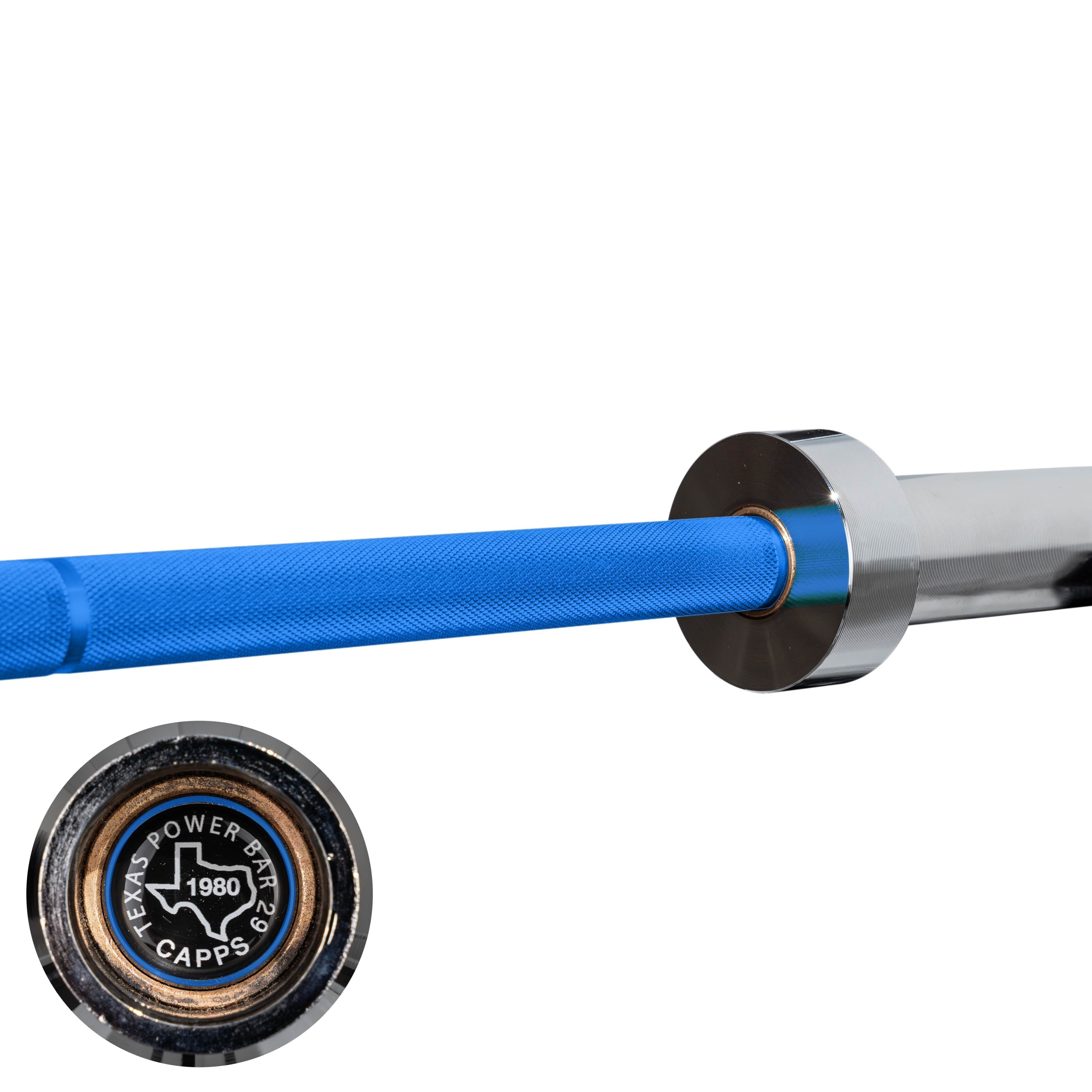
- 29mm Texas Power Bar (7th Gen) → stiffer, competition-style feel
- Original Texas Power Bar → balanced performance
- Texas Squat Bar → maximum stability for heavy squats
Deadlift-Focused Training
For lifters prioritizing deadlifts, sleeve length becomes critical for loading capacity.
- Texas Deadlift Bar → extended sleeves and design for maximum loading
General Strength & Home Gym Training
For a mix of movements, a balanced bar is often the best fit.
- Texas All American Bar → versatile, controlled, and adaptable
Strength Is Not One-Size-Fits-All
A barbell is a tool — and the right tool makes a difference.
A balanced bar can handle many lifts. But purpose-built bars help you get more out of each movement.
That’s why Texas Power Bars Specialty Bars exist — from squat bars built for stability to deadlift bars built for maximum loading potential.
Final Thoughts
Sleeve length might not be the first spec lifters look at — but it directly affects performance.
It determines:
- How much weight you can load
- How the bar feels under heavy weight
- How well the bar matches your training style
Choosing the right sleeve length ensures your equipment grows with your strength — instead of limiting it.

Leave a comment
All comments are moderated before being published.
This site is protected by hCaptcha and the hCaptcha Privacy Policy and Terms of Service apply.