

Best Powerlifting Barbells: Complete Guide for Serious Strength Training
Choosing the best powerlifting barbell is one of the most important decisions a strength athlete can make. The barbell is the one piece of equipment that touches every lift, every session, and every personal record. If it fails, bends, slips, or performs inconsistently, progress suffers.
Powerlifting barbells are not designed for variety or novelty. They are engineered for one purpose: to perform the squat, bench press, and deadlift with absolute consistency under heavy load. This guide explains what defines a true powerlifting barbell, how to evaluate quality, and how serious lifters choose equipment that lasts for decades.
What Defines a True Powerlifting Barbell?
A powerlifting barbell is fundamentally different from multipurpose or Olympic-style bars. It prioritizes stability, stiffness, and grip security over speed and flexibility.
Key characteristics of a true powerlifting barbell include:
-
A thicker shaft diameter for increased rigidity
-
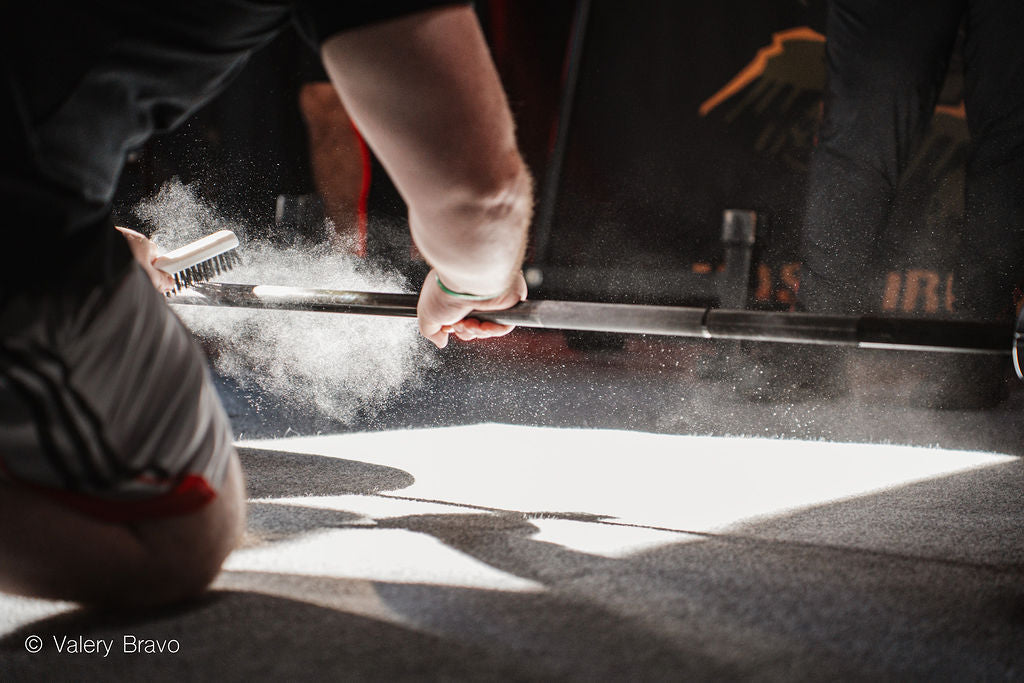
Aggressive, precision-cut knurling
-
Controlled sleeve rotation using bushings
-
Minimal whip during heavy lifts
These features work together to create a barbell that feels predictable and secure under maximal weight. When lifters step under a heavy squat or pull a max deadlift, there should be no surprises.
Why Shaft Diameter Matters in Powerlifting
Shaft diameter directly affects how a barbell behaves under load. Powerlifting bars typically use a thicker shaft to reduce flex and increase stiffness.
Benefits of a thicker shaft include:
-
Greater stability during squats
-
Improved control during bench press
-
Reduced oscillation under heavy loads
For powerlifters, stiffness translates to confidence. A stable bar allows lifters to focus on execution rather than compensating for excessive movement.
Knurling: Grip Is Non-Negotiable
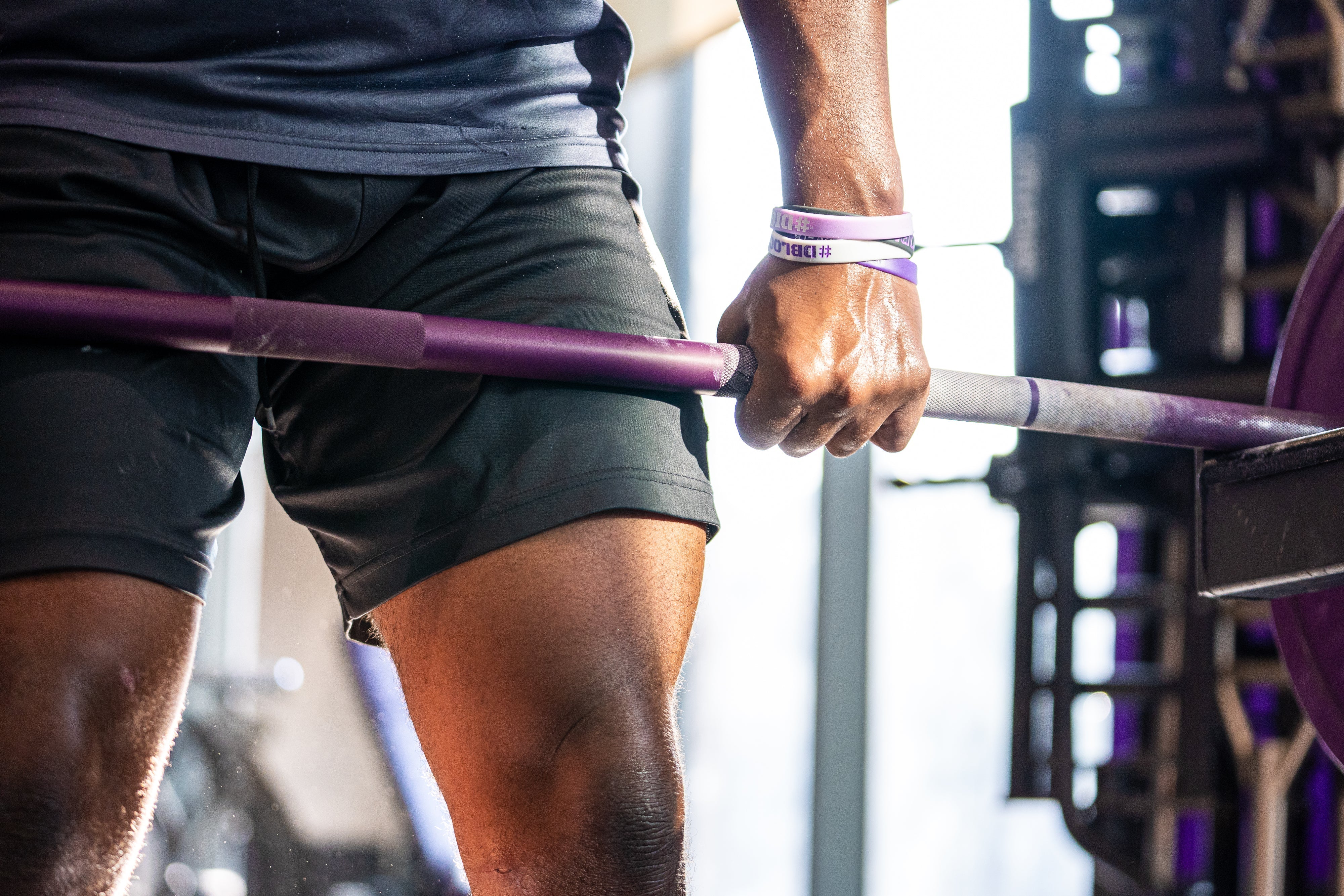
Knurling is more than texture—it is a performance feature. A well-designed knurl pattern:
-
Locks the bar into the hands
-
Prevents slipping during heavy pulls
-
Secures the bar on the back during squats
Aggressive knurling should be intentional, not sharp or uneven. Properly machined knurling grips firmly without destroying skin, even during high-volume training cycles.
Sleeve Rotation and Control
Unlike Olympic lifting bars that rely on high-speed rotation, powerlifting bars use controlled sleeve spin. Bushings provide smooth but restrained rotation, keeping the bar stable during heavy attempts.
Controlled rotation helps:
-
Maintain balance during squats
-
Keep bench press bar paths consistent
-
Prevent instability at deadlift lockout
Consistency is more important than speed in powerlifting.
Barbells for Squat, Bench, and Deadlift
Each powerlift places unique demands on a barbell, but a high-quality power bar performs reliably across all three.
Squat
A stiff bar with a center knurl helps keep the bar locked in place on the upper back. Excessive whip or smooth center sections can cause instability during heavy squats.
Bench Press
Bench pressing demands secure grip. Aggressive outer knurling ensures the bar stays planted in the hands throughout the lift, even under maximal loads.
Deadlift
Deadlifts benefit from controlled flex—not excessive whip. A properly engineered power bar allows lifters to stay in rhythm without sacrificing control.
👉 Our picks for: Top Barbells for Squat, Bench, and Deadlift: What Actually Matters.
What “Competition-Grade” Really Means
The term “competition-grade” is often used loosely, but true competition barbells are built to precise standards. These bars are designed to feel identical lift after lift, bar after bar.
Competition-grade features include:
-
Tight weight tolerances
-
Uniform shaft diameter
-
Consistent knurl depth and pattern
-
Durable sleeve construction
Precision matters when training for peak performance.
Barbells Built for Heavy Lifters (600 lb+)
As weights climb past 600 pounds, barbell quality becomes critical. Heavy lifters place extreme stress on equipment, exposing weaknesses quickly.
Heavy-duty power bars are built with:
-
Carefully selected alloy steel
-
Proper heat treatment to prevent bending
-
Reinforced sleeve construction
👉 Learn more in Best Barbells for Heavy Lifters and Powerlifters
Choosing the Right Powerlifting Bar for Your Training
Serious lifters and gyms rely on proven designs built for longevity:
-
Texas Power Bar – A classic competition-grade power bar for squat, bench, and deadlift
-
Texas Squat Bar – Extra stiffness and center knurling for heavy squat training
-
Texas Deadlift Bar – Controlled flex designed for powerful pulls
-
Texas All American Bar – A versatile American-made power bar for training environments
A great powerlifting barbell doesn’t chase trends—it becomes a trusted training partner.

Leave a comment
All comments are moderated before being published.
This site is protected by hCaptcha and the hCaptcha Privacy Policy and Terms of Service apply.