

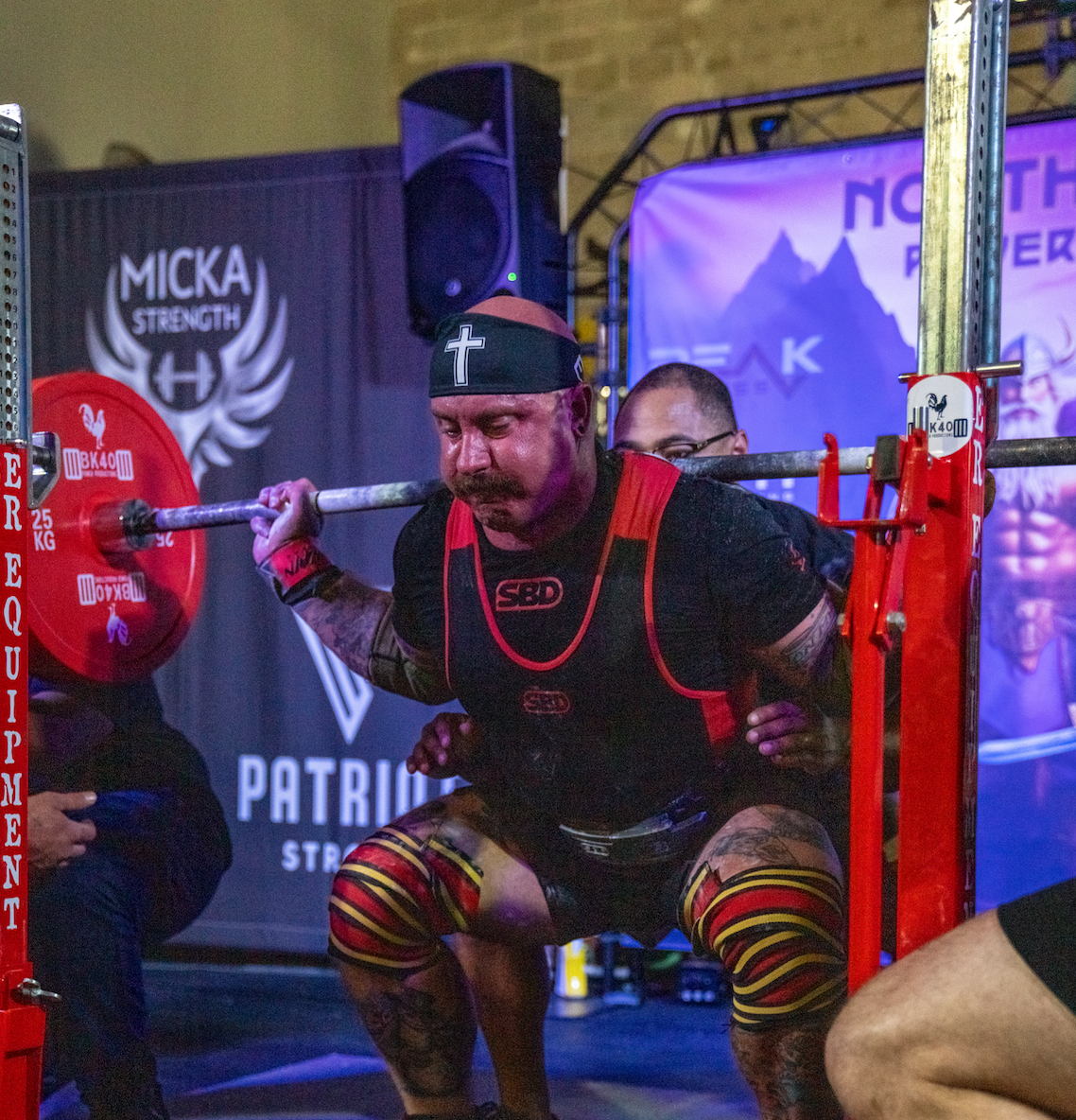
“Chest Up” in the Squat: Essential Cue or Overrated Advice?
“Chest up!” If you’ve spent any time around squat racks, you’ve likely heard this cue shouted across the gym floor. It’s one of the most common squat cues in strength training—but also one of the most debated.
Search online for squat form tips, proper squat technique, or squat cues explained, and you’ll quickly see the strength community divided. Some lifters swear by the cue as essential for maintaining posture, while others warn that forcing the chest up can create new problems.
So should you keep your chest up when you squat? Like many things in strength training, the answer isn’t a simple yes or no.
Note: This article is for general education only. Squat technique varies by individual and training style.
Why Coaches Use the “Chest Up” Squat Cue
Coaches and training partners often use quick verbal cues to help athletes maintain better positions under load. “Chest up” is commonly used when a lifter begins to lean forward excessively or lose torso control during the squat.
In many cases, the cue is intended to encourage:
- Better torso positioning
- Improved balance over mid-foot
- More consistent bar path
- Increased stability under heavy loads
However, cues are tools—not universal solutions. What helps one lifter may confuse or hinder another.
Common Squat Faults That Lead to the “Chest Up” Cue
The “chest up” reminder is often thrown out when certain breakdowns occur in the squat. Here are a few of the most common:
1. Hips Shooting Up Out of the Bottom
When the hips rise faster than the shoulders coming out of the hole, the lifter is forced into a more forward-leaning position.
This can shift the bar path forward and place more stress on the lower back. In response, coaches often cue “chest up” to help the lifter stay more upright.
2. Losing Heel Contact or Shifting to the Toes
When a lifter’s weight shifts toward the toes, the entire system tips forward.
This loss of balance frequently causes the torso to collapse forward, prompting cues like “chest up” or “stay tall.”
3. Foot and Knee Position Breakdown
When feet lose stability or knees cave inward, the body often compensates by leaning forward in search of balance.
Again, “chest up” becomes a quick attempt to restore posture.
Is “Chest Up” a Bad Cue?
In strength training, there are very few universally “bad” cues. What matters most is whether a cue helps an athlete improve position and consistency.
For some lifters, focusing on keeping the chest up immediately improves squat mechanics. For others, it may create excessive arching, tension in the upper back, or confusion.
The best lifters in the world aren’t just strong—they’re exceptional at holding positions under heavy loads. Cues are simply tools to help athletes find and maintain those positions.
If a cue doesn’t improve an athlete’s ability to stay stable and controlled, it often becomes a temporary fix rather than a long-term solution.
Fixing the Symptom vs Addressing the Root Cause
“Chest up” often treats the visible breakdown—but not always the underlying issue.
If a lifter struggles with:
- Weak bracing
- Poor balance
- Inconsistent foot pressure
- Loss of upper back tightness
A verbal cue alone may not fully solve the problem. Building strength, control, and consistency over time is what ultimately leads to better squatting mechanics.
Learning from Trusted Strength Education
There is no shortage of quality coaching education available today. Organizations like the USPA offer coaching courses, and respected leaders in the strength community—such as Dave Tate at EliteFTS— have shared decades of valuable training knowledge.
Exploring multiple perspectives can help lifters better understand squat mechanics and determine which cues work best for their individual needs.
Stability Under the Bar: The Often Overlooked Factor
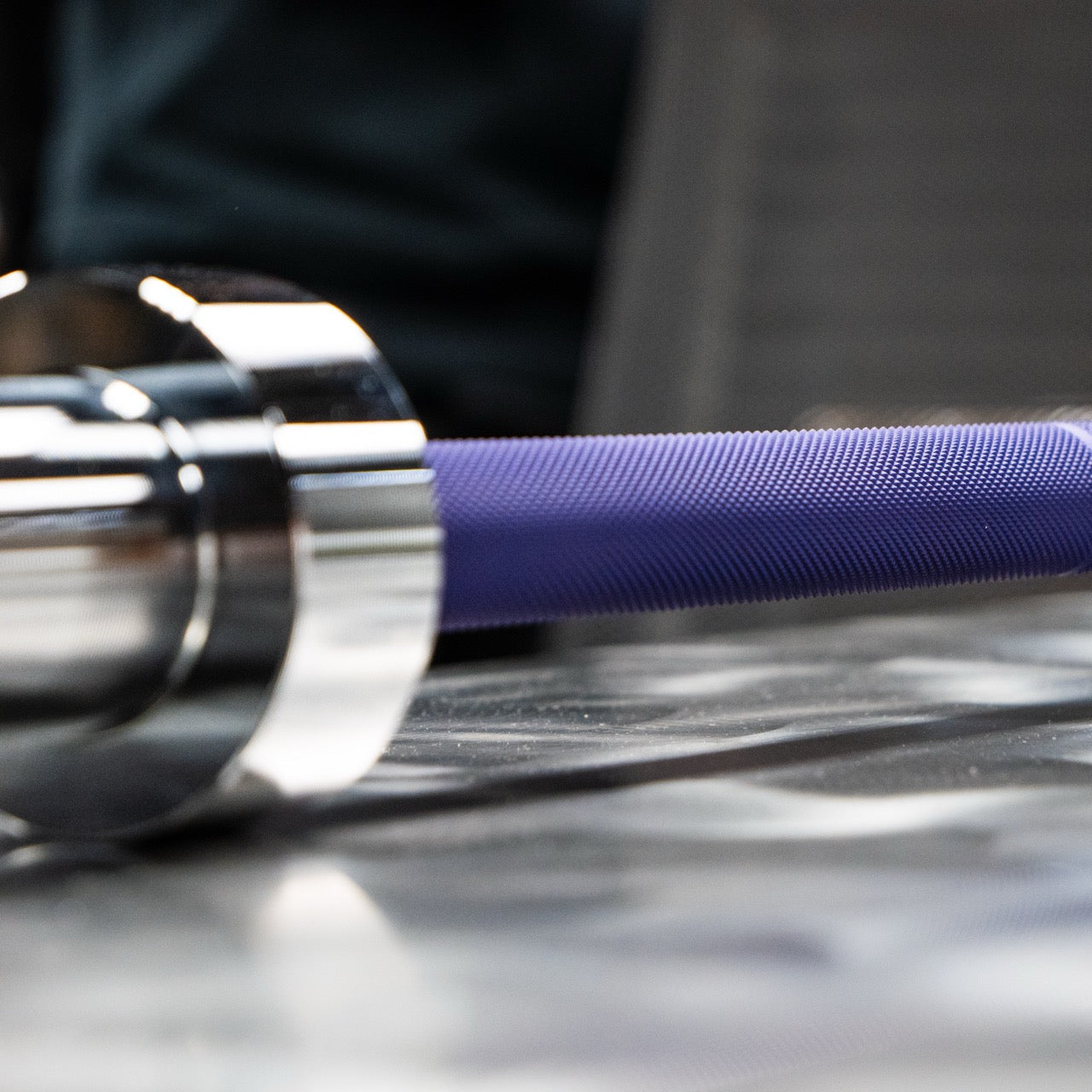
While technique and coaching matter, equipment also plays a role in training consistency. A stable, well-crafted power bar or squat bar can help lifters maintain better positions under load.
When the bar flexes excessively, shifts unpredictably, or lacks consistent knurling, holding tight positions becomes more challenging—especially during heavy squats.
Sometimes the right equipment provides the stability that allows lifters to execute solid technique more consistently.
Trusted Bars Built for Heavy Squatting
Texas Power Bars has been building American-made barbells since 1980, with power bars and squat bars trusted by lifters worldwide.
Across decades of training and thousands of verified records set on TPB bars, lifters continue to rely on the stability, durability, and consistent feel these bars provide.
-
Texas Squat Bar – built for maximum stiffness and stability under heavy loads.
View Texas Squat Bar -
29mm Texas Power Bar (7th Gen) – the gold standard competition grade 200k+ tensile strength powerlifting barbell trusted for squats, bench, and deadlifts. *For max squat stability the thicker squat bar is the way to go
View Texas Power Bar
Final Thoughts: Cue What Helps You Stay Strong and Stable
The “chest up” cue isn’t inherently good or bad—it’s simply a tool. For some lifters, it improves posture and consistency. For others, it may not address the root cause of squat breakdown.
Understanding why cues are used and what problems they’re trying to solve can help athletes make smarter adjustments over time.
Whether through better coaching, stronger positioning, or more stable equipment, the goal remains the same: staying tight, balanced, and controlled under heavy loads.

Leave a comment
All comments are moderated before being published.
This site is protected by hCaptcha and the hCaptcha Privacy Policy and Terms of Service apply.