

Lifting Chalk Explained: A Complete Guide for Better Grip in Strength Training
Lifting chalk is one of the simplest yet most effective training accessories used in strength sports. Whether you’re searching for the best chalk for weightlifting, learning what gym chalk does, or deciding between block chalk, powder chalk, and liquid chalk, understanding how chalk works can improve grip and training consistency.
From home gym owners and garage gym lifters to competitive athletes, chalk is widely used in powerlifting, Olympic lifting, Cross training, and general strength workouts.
This complete guide explains what lifting chalk is, why lifters use it, the different types available, and what to look for when choosing chalk for your training setup.
Note: This article is for general education only. Equipment preferences vary by individual and training style.
What Is Lifting Chalk?
Lifting chalk is typically made from magnesium carbonate, a substance used to absorb moisture from the hands. By reducing sweat and improving friction between the hands and the barbell, chalk helps lifters maintain a secure grip during heavy or high-repetition lifts.
It does not make muscles stronger, but it can help reduce slipping and improve consistency when handling heavy weights.
Why Do Lifters Use Chalk?
Grip strength is often a limiting factor in many lifts, particularly deadlifts, rows, pull-ups, and Olympic movements.
Chalk helps by:
- Absorbing moisture from the hands
- Increasing friction between skin and equipment
- Reducing slipping during heavy lifts
- Improving consistency across sets
Common Searches Related to Lifting Chalk
- Best chalk for weightlifting
- Gym chalk for grip
- Lifting chalk for home gym
- Liquid chalk vs block chalk
- Does chalk improve grip strength
- Chalk for deadlifts
- Chalk for Olympic lifting
Different Types of Lifting Chalk
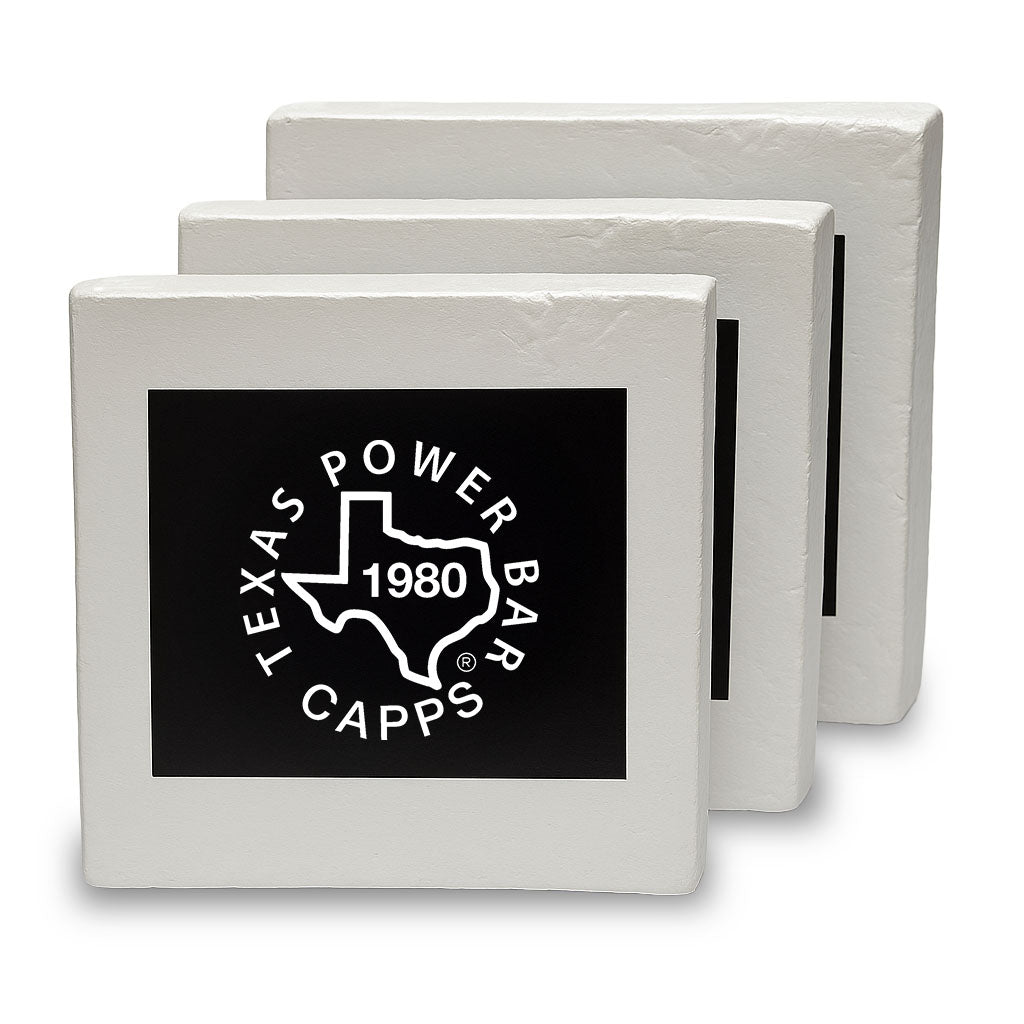
Block Chalk
Block chalk is a solid brick of chalk that can be broken into smaller pieces. It’s commonly used in powerlifting gyms and home gyms due to its affordability and long-lasting nature.
Powder Chalk
Powder chalk is finely crushed chalk that spreads easily across the hands. It provides fast coverage but can be messier than block chalk.
Liquid Chalk
Liquid chalk combines magnesium carbonate with alcohol. When applied, the liquid evaporates, leaving a dry chalk layer on the hands.
This type is popular in gyms that limit airborne chalk dust.
Choosing the Right Chalk for Your Training Style
Each type of chalk offers benefits depending on your environment and lifting preferences:
- Block chalk for traditional gym setups and long sessions
- Powder chalk for quick application
- Liquid chalk for cleaner environments
Home gym owners often prefer block or powder chalk for cost-effectiveness and long-term use.
How Chalk Is Commonly Used in Strength Training
Chalk is most often applied before heavy pulls, Olympic lifts, pull-ups, and any movement where grip may be challenged.
Some lifters use chalk sparingly, while others apply it for nearly every working set. Usage typically depends on intensity, sweat levels, and personal preference.
Trusted Chalk and Training Accessories
As lifters research the best chalk for weightlifting and compare options, many look for trusted sources that prioritize quality and reliability.
Texas Power Bars offers a selection of trusted lifting chalk and training accessories to complement strength training equipment for home gyms and serious lifters.
These accessories are curated with the same focus on durability and performance that Texas Power Bars is known for in its barbells.
A Tradition of Quality Equipment Since 1980
Since 1980, Texas Power Bars has focused on building high-quality strength training equipment trusted by lifters across the country.
That same commitment to craftsmanship and reliability extends to the accessories offered alongside TPB’s iconic barbells.
Final Thoughts: Using Chalk to Improve Training Consistency
Lifting chalk is a simple yet effective tool for many lifters. By improving grip and reducing moisture, it helps maintain consistency during heavy training sessions.
Understanding the different chalk types and how they’re commonly used can help you choose the right option for your home gym or training environment.


Leave a comment
All comments are moderated before being published.
This site is protected by hCaptcha and the hCaptcha Privacy Policy and Terms of Service apply.