

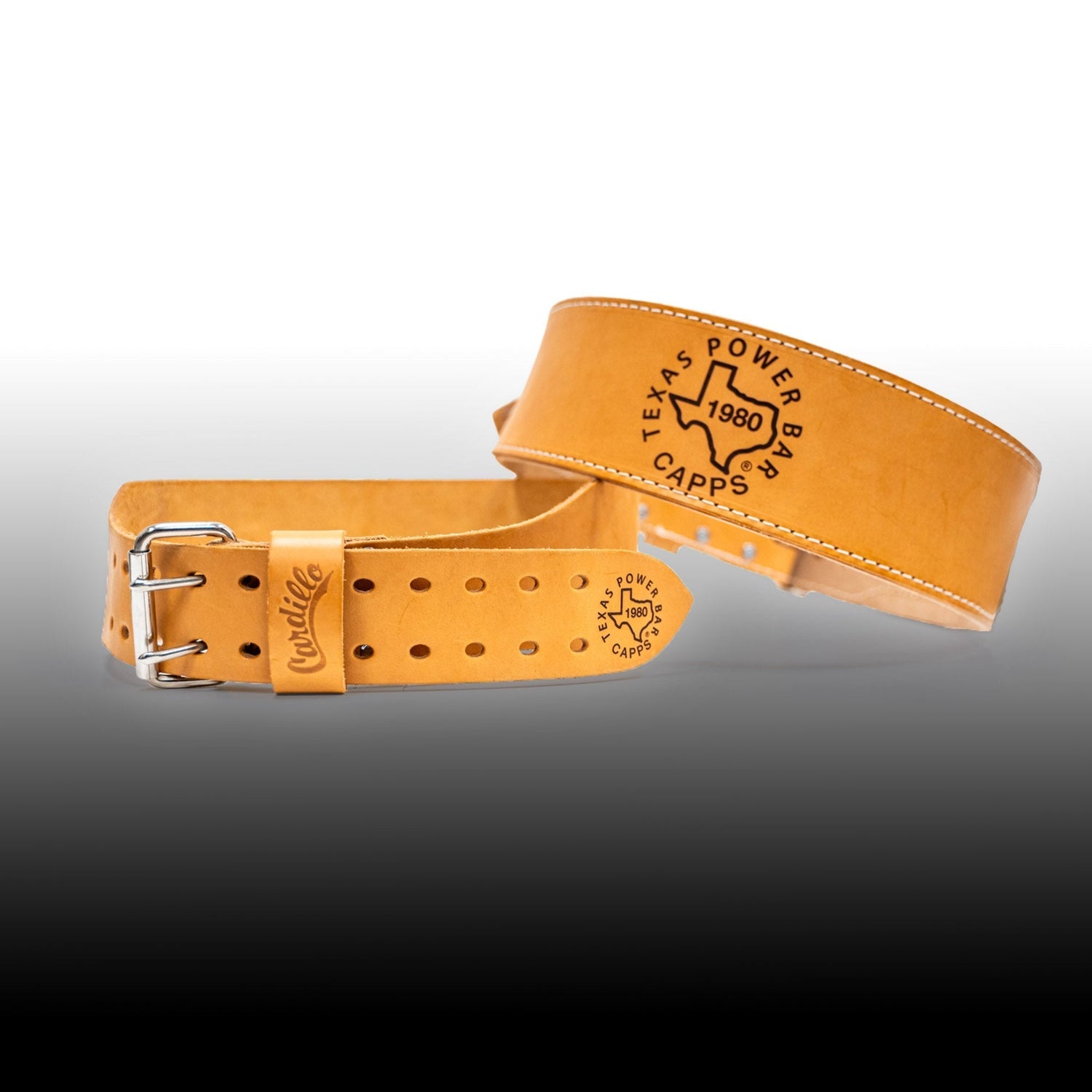
How to Choose the Right Weightlifting Belt: A Complete Guide for Strength Training
Weightlifting belts are one of the most commonly used training tools in strength sports. Whether you’re searching for the best weightlifting belt, researching how to choose a powerlifting belt, or learning what a lifting belt does, understanding the basics can help you make informed decisions.
From home gym owners and garage gym lifters to competitive athletes, belts are used across powerlifting, Olympic lifting, and general strength training to support heavier lifts and improve training consistency.
This complete guide covers how lifting belts work, the different types available, common materials, what to look for when buying a belt, and where to find trusted equipment.
Note: This guide is for general education only. Equipment needs vary by individual and training style.
What Does a Weightlifting Belt Do?
A lifting belt provides external support around the torso during heavy or demanding movements. By giving the core muscles something to brace against, a belt can help lifters maintain more consistent posture and positioning during exercises like squats, deadlifts, presses, and Olympic lifts.
Rather than replacing proper technique or strength, belts are commonly used as a tool to assist with bracing during higher intensity training.
Common Searches Lifters Make When Choosing a Belt
- Best weightlifting belt
- How to choose a lifting belt
- Powerlifting belt vs weightlifting belt
- Lifting belt buying guide
- Best belt for heavy squats and deadlifts
- Weightlifting belt reviews
- Trusted powerlifting belts
- Belts for home gym training
Types of Weightlifting Belts
Powerlifting Belts
Powerlifting belts are typically wide and rigid, often measuring around four inches across the back and front. They are designed to provide maximum support during heavy squats and deadlifts.
These belts usually maintain the same width all the way around and are commonly chosen by lifters focused on maximal strength.
Olympic Weightlifting Belts
Olympic lifting belts often taper toward the front to allow greater mobility during dynamic lifts like the snatch and clean & jerk.
They are generally more flexible than powerlifting belts while still offering core support.
General Training Belts
Some belts are designed as versatile options for mixed training styles. These may be lighter, thinner, or more flexible depending on intended use.
Common Belt Materials and Construction
Leather Belts
Leather is one of the most popular belt materials due to durability and long-term rigidity. High-quality leather belts often break in over time while maintaining structure.
Suede and Composite Materials
Some belts combine leather with suede or synthetic layers for added comfort and flexibility.
Nylon and Fabric Belts
Nylon belts are typically lighter and more flexible, commonly used in Olympic lifting or general fitness training.
Key Features to Look for When Buying a Weightlifting Belt
Width and Coverage
Wider belts generally provide more surface area for bracing and stability, while narrower belts allow greater freedom of movement.
Thickness and Rigidity
Thicker belts tend to feel more supportive for heavy lifts, while thinner belts may feel more comfortable during higher volume sessions.
Closure Systems
Common closures include single prong, double prong, lever buckles, and velcro. Each offers different levels of adjustability and convenience.
Proper Fit and Sizing
A belt should fit snugly without restricting breathing or movement. Always refer to sizing charts when selecting a belt.
When Do Lifters Typically Use Belts?
Many lifters use belts during heavier working sets, near-max efforts, or competition-style training.
Some also choose to train without belts during lighter sessions to continue developing raw core strength.
Powerlifting Belts vs Weightlifting Belts: Which Should You Choose?
- Powerlifters often prefer rigid, uniform-width belts for maximal support
- Olympic lifters usually favor tapered or flexible belts for mobility
- General strength trainees may choose versatile middle-ground options
Trusted Weightlifting Belts and Training Accessories
As lifters research top rated weightlifting belts and compare different styles, many look for trusted sources that prioritize quality materials and long-term durability.
Texas Power Bars offers a selection of trusted weightlifting belts and powerlifting belts chosen to support strength athletes across different training styles—from home gym owners to competitive lifters.
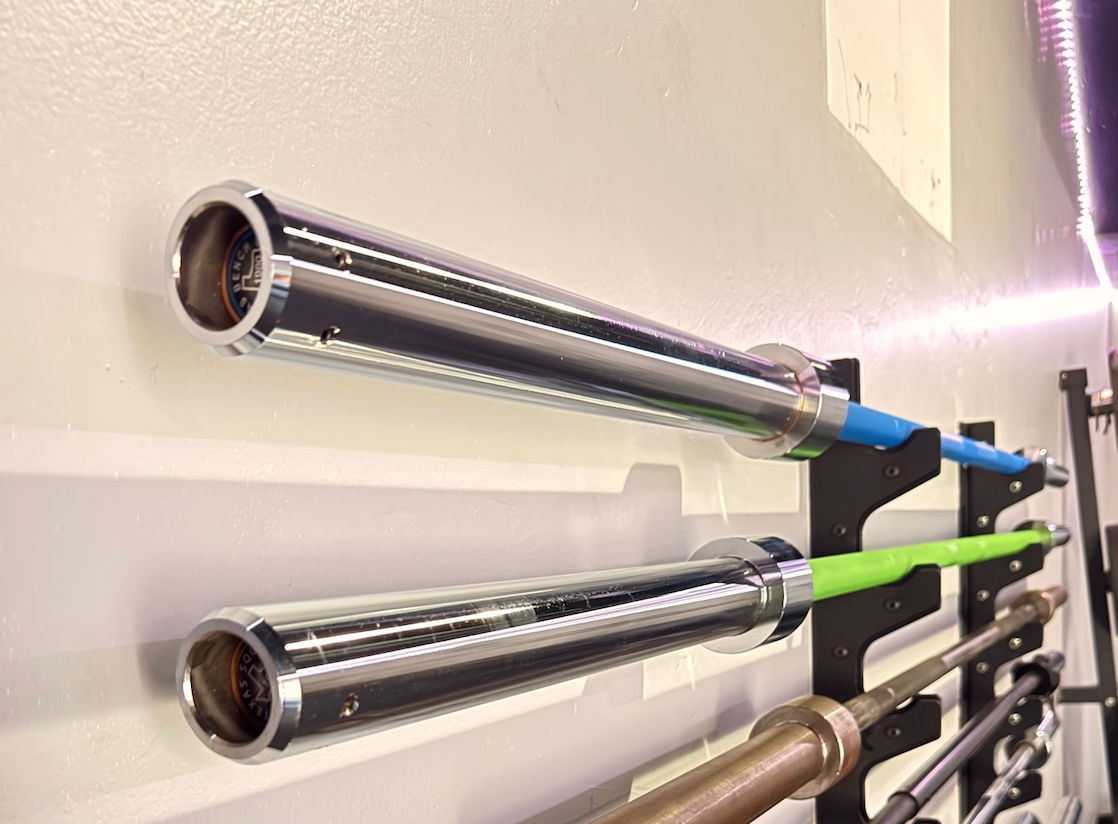
These belts are curated with the same focus on reliability and performance that Texas Power Bars is known for in its barbells.
A Commitment to Quality and Long-Term Performance
Since 1980, Texas Power Bars has focused on building equipment designed to last. That same commitment to craftsmanship and reliability extends to the training accessories offered alongside their iconic barbells.
Home gym owners and serious lifters alike trust TPB not only for durable barbells, but also for dependable training gear that supports consistent progress.
Final Thoughts: Choosing the Right Lifting Belt
Weightlifting belts can be a valuable tool when used appropriately. Understanding the different belt types, materials, features, and intended uses helps ensure you select a belt that matches your training goals.
Whether you focus on powerlifting, Olympic lifting, or general strength training, choosing a well-built belt that fits properly can improve comfort and consistency during heavy training.

Leave a comment
All comments are moderated before being published.
This site is protected by hCaptcha and the hCaptcha Privacy Policy and Terms of Service apply.