

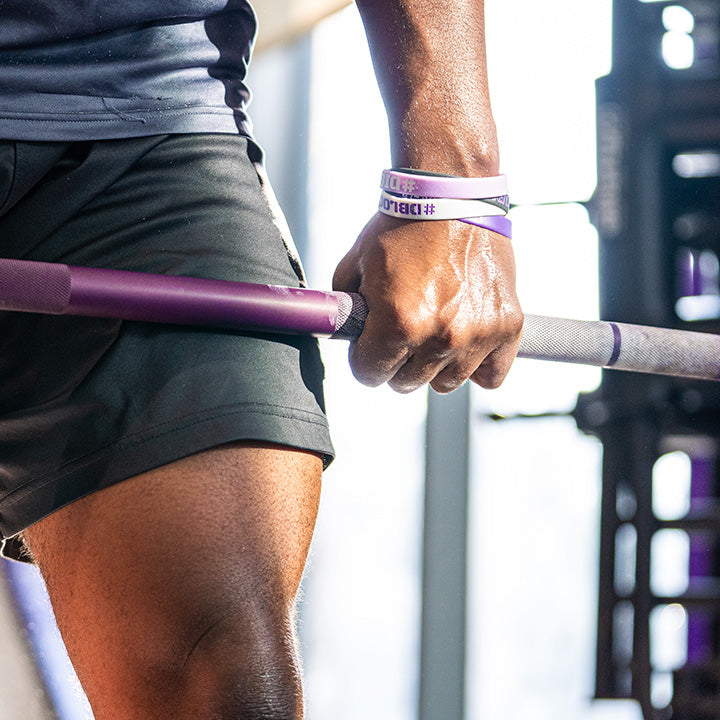
Half a millimeter does not sound like much.
Under heavy weight, it absolutely matters.
Shaft diameter affects how a power bar feels in the hands, how stiff it feels under load, how much whip it has, and how stable it feels during heavy squats, bench press, and deadlifts. The difference between a 28.5mm power bar and a 29mm power bar is small on paper, but noticeable for serious lifters.
With the Texas Power Bar lineup, that difference is easy to understand: the Texas Power Bar ORIGINAL delivers the standard, classic 28.5mm Texas Power Bar feel, while the Texas Power Bar PRO and Texas Power Bar ELITE upgrade lifters into a stiffer 29mm platform built for more control, less whip, and a more modern powerlifting feel.
Quick Answer
Choose the Texas Power Bar ORIGINAL if you want the classic 28.5mm Texas Power Bar feel.
Upgrade to the Texas Power Bar PRO or Texas Power Bar ELITE if you want a stiffer 29mm shaft, less whip, more refinement, and a more modern powerlifting feel.
The PRO is the best-value upgrade. The ELITE is the stiffest and most refined Texas Power Bar ever made.
28.5mm vs 29mm Power Bar: What Changes?
A 28.5mm shaft gives a power bar a slightly smaller grip feel and a more traditional training experience. A 29mm shaft gives the bar more rigidity, which helps reduce whip and creates a more controlled feel under heavy weight.
That does not mean 28.5mm is bad. It means 28.5mm is the classic standard, while 29mm is the upgrade for lifters who want more stiffness, less movement, and a more competition-style feel.
Texas Power Bar Lineup Comparison
| Feature | ORIGINAL | PRO | ELITE |
|---|---|---|---|
| Shaft Diameter | Standard 28.5mm | Upgraded 29mm | Stiffest 29mm |
| Stiffness | Standard | Enhanced | Maximum |
| Whip Control | Standard | Reduced | Most Controlled |
| Knurl Options | Aggressive Only | Aggressive or Medium | Aggressive or Medium |
| Sleeve Length | Standard | Longer | Longest |
| Center Knurl | Standard | Wider | Widest |
| Overall Feel | Classic | Refined | Most Refined |
| Best Choice If | You want the original feel | You want the best-value upgrade | You want the best overall bar |
Why Shaft Diameter Matters
A thicker shaft generally creates a stiffer power bar. That means less movement, less oscillation, and a more controlled feel when the weight gets heavy.
For powerlifting, that matters most on the squat and bench press. A stiffer bar can feel more planted on the back during a heavy squat and more controlled in the hands during a heavy bench press. It can also help reduce unwanted movement at lockout.
The Texas Power Bar ORIGINAL delivers the standard, classic Texas Power Bar feel lifters have trusted for decades. But if you want more stiffness, less whip, and a more refined competition-style feel, the 29mm PRO and ELITE are the clear upgrades.
Why 29mm Has Become the Modern Power Bar Standard
Many modern power bars use a 29mm shaft because it offers a strong balance of stiffness, grip feel, and control. The thicker shaft helps reduce whip and creates a more rigid feel during heavy lifts.
- More rigid under heavy weight
- Less whip than thinner shaft designs
- Greater squat stability
- More control on heavy bench press
- Competition-style powerlifting feel
This is why the Texas Power Bar PRO and Texas Power Bar ELITE both use a 29mm shaft. They are built for lifters who want a stiffer, more refined bar than the standard 28.5mm ORIGINAL.
When a 28.5mm Power Bar Makes Sense
A 28.5mm power bar still has a place in serious strength training. The slightly smaller shaft gives the bar a classic feel in the hands and allows some lifters to close their grip more comfortably.
That is part of what made the Texas Power Bar ORIGINAL so trusted for decades. It delivers the standard Texas Power Bar feel with a classic 28.5mm shaft, aggressive knurling, 190K PSI steel, and proven durability since 1980.
- Standard Texas Power Bar feel
- Classic 28.5mm shaft diameter
- Aggressive grip for heavy training
- Proven durability since 1980
- Lowest starting price in the lineup
Why Upgrade to a 29mm Texas Power Bar?
The main reason to upgrade to a 29mm power bar is control. A 29mm shaft creates a stiffer feel under load, which can make heavy squats and bench press feel more stable and predictable.
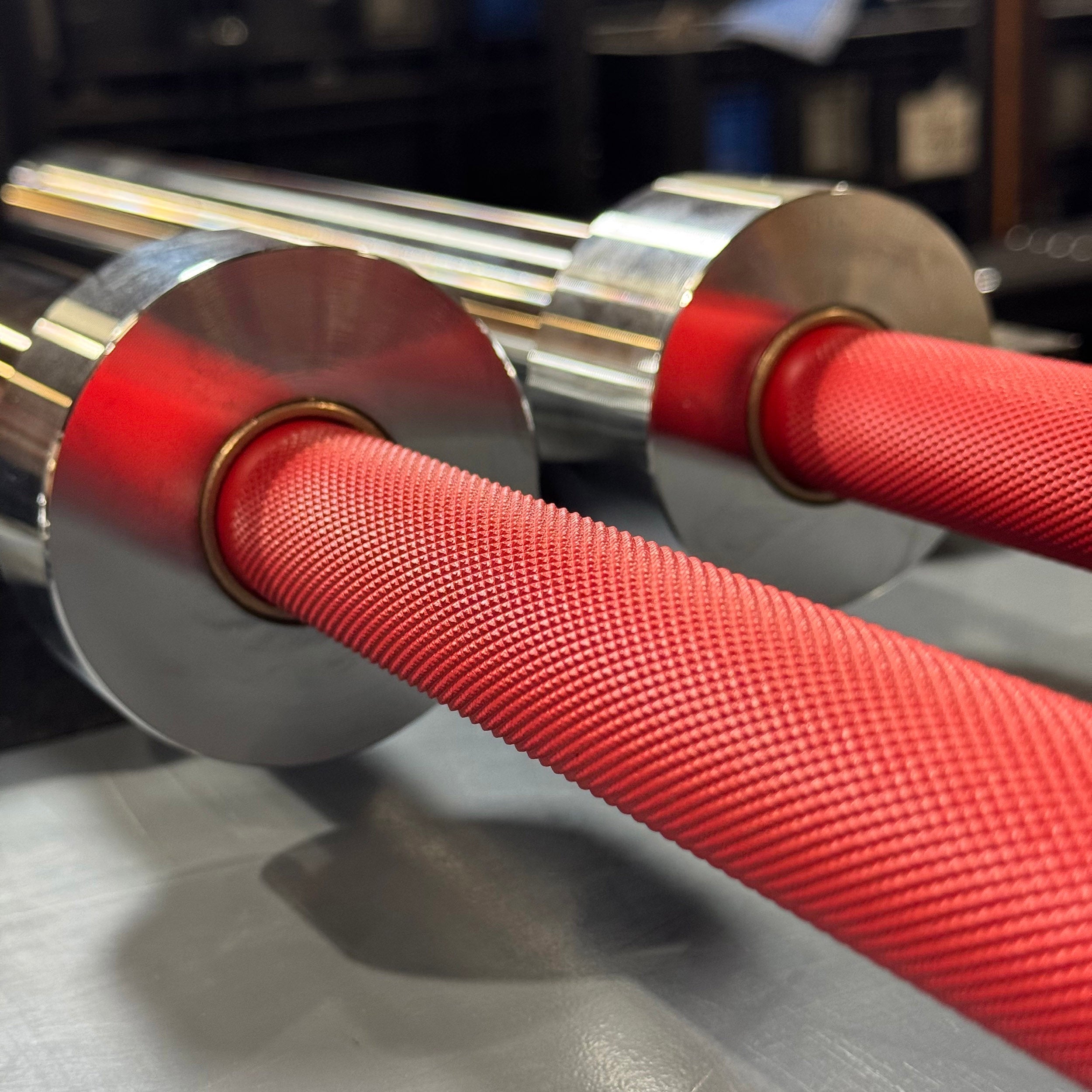
The Texas Power Bar PRO and ELITE also bring more than just a thicker shaft. They introduce upgrades like 200K+ PSI steel, multiple knurl options, longer sleeve space, wider center knurling, and a more refined overall feel.
For lifters who want to move beyond the standard Texas Power Bar feel, the PRO and ELITE are the upgraded 29mm options built for heavier training, competition-style lifting, and higher performance.
How This Applies to the Texas Power Bar Lineup
The Texas Power Bar lineup now gives lifters three clear options: ORIGINAL, PRO, and ELITE.
Classic Standard
Texas Power Bar ORIGINAL
The standard 28.5mm Texas Power Bar feel with aggressive knurling, 190K PSI steel, and proven durability since 1980.
Shop ORIGINALBest Value Upgrade
Texas Power Bar PRO
A stiffer 29mm power bar with 200K+ PSI steel, less whip, longer sleeves, wider center knurling, and multiple knurl options.
Shop PROBest Overall
Texas Power Bar ELITE
The stiffest, most refined, and most modernized Texas Power Bar ever made, with the longest sleeves, smoothest sleeve feel, widest center knurl, and low-profile collars.
Shop ELITEWhich Texas Power Bar Should You Choose?
Choose the 28.5mm Texas Power Bar ORIGINAL if you want the standard, classic Texas Power Bar feel, aggressive grip, and proven durability at the lowest starting price.
Choose the 29mm Texas Power Bar PRO if you want the best-value upgrade, with more stiffness, less whip, longer sleeves, multiple knurl options, and competition-style performance.
Choose the 29mm Texas Power Bar ELITE if you want the stiffest, most refined, and most modernized Texas Power Bar ever made.
Compare the Full Lineup
Each product page includes a full side-by-side comparison chart, so you can compare shaft diameter, knurl options, stiffness, sleeve length, straightness tolerance, collar design, and more before choosing the right Texas Power Bar.
Compare All BarsFinal Takeaway
The difference between 28.5mm and 29mm may sound small, but it changes how a power bar feels under heavy weight.
The Texas Power Bar ORIGINAL gives you the standard, classic 28.5mm Texas Power Bar feel. The Texas Power Bar PRO upgrades you into a stiffer 29mm platform with more refinement and better value. The Texas Power Bar ELITE is the top-tier choice for lifters who want the stiffest, most refined Texas Power Bar ever made.
Compare the Texas Power Bar ORIGINAL, PRO, and ELITE to find the right bar for your training.

Leave a comment
All comments are moderated before being published.
This site is protected by hCaptcha and the hCaptcha Privacy Policy and Terms of Service apply.