

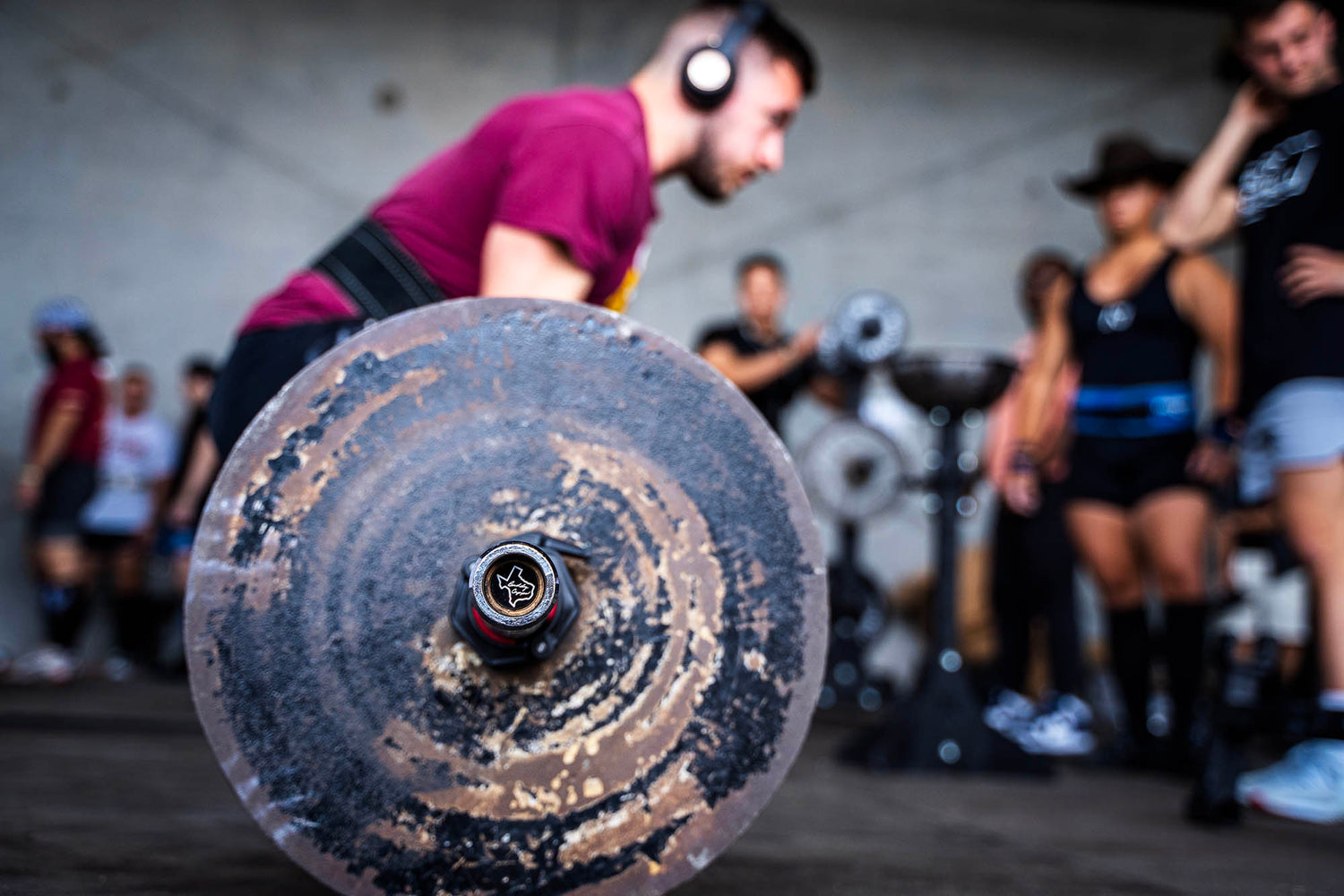
How to Choose the Right Power Bar: Diameter, Whip, Knurl & Durability
Most power bars look similar online.
But once you begin squatting, benching, and deadlifting seriously, the differences become obvious. Shaft diameter, whip, knurling, sleeve space, center knurling, and overall build quality all affect how a power bar performs under heavy weight.
Choosing the right power bar is not just about specs. It is about stability, confidence, grip, control, and long-term durability.
With the current Texas Power Bar lineup, lifters now have three clear choices: the Texas Power Bar ORIGINAL, the Texas Power Bar PRO, and the Texas Power Bar ELITE.
Quick Answer
Choose the Texas Power Bar ORIGINAL if you want the standard, classic Texas Power Bar feel with aggressive grip and proven durability since 1980.
Upgrade to the Texas Power Bar PRO if you want a stiffer 29mm shaft, less whip, more sleeve space, multiple knurl options, and the best-value upgrade in the lineup.
Choose the Texas Power Bar ELITE if you want the stiffest, most refined, and most modernized Texas Power Bar ever made.
Power Bar Comparison: ORIGINAL vs PRO vs ELITE
| Feature | ORIGINAL | PRO | ELITE |
|---|---|---|---|
| Best For | Classic Texas Power Bar feel | Best-value upgrade | Best overall performance |
| Shaft Diameter | Standard 28.5mm | Upgraded 29mm | Stiffest 29mm |
| Stiffness | Standard | Enhanced | Maximum |
| Whip Control | Standard | Reduced | Most Controlled |
| Knurl Options | Aggressive Only | Aggressive or Medium | Aggressive or Medium |
| Sleeve Length | Standard | Longer | Longest |
| Center Knurl | Standard | Wider | Widest |
| Overall Feel | Classic | Refined | Most Refined |
1. Diameter: Where Power Bar Feel Begins
Shaft diameter is one of the first things you will notice when using a power bar. It affects how full the bar feels in your hands and how stiff it feels under load.
A 28.5mm power bar gives you the standard, classic Texas Power Bar feel. It feels slightly smaller in the hands and has been trusted by lifters for decades.
A 29mm power bar increases stiffness and reduces oscillation under heavy loads. That makes the bar feel more controlled during heavy squats and bench press.
The Texas Power Bar ORIGINAL uses the classic 28.5mm shaft. The Texas Power Bar PRO and Texas Power Bar ELITE use upgraded 29mm shafts for lifters who want more stiffness, less whip, and a more modern powerlifting feel.
2. Whip: Stability vs Controlled Movement
Whip refers to how much a bar flexes and oscillates under load.
For squats and bench press, most lifters want less whip. Reduced whip helps the bar feel more stable during unracks, walkouts, pauses, presses, and lockouts.
For deadlifts, some lifters prefer controlled flex. That is why a purpose-built bar like the Texas Deadlift Bar exists. It is designed to introduce controlled flex during heavy pulls.
If your main goal is a stiffer power bar for the squat, bench press, and general powerlifting work, the 29mm Texas Power Bar PRO and Texas Power Bar ELITE are the upgraded choices.
3. Knurl: Grip vs Training Comfort
Knurling determines how confidently you can hold the bar. A good power bar needs enough grip for heavy training without feeling like the wrong tool for your training style.
- Aggressive knurling supports heavy singles, max effort work, and lifters who want the most secure grip possible.
- Medium knurling can be a better choice for daily training, higher volume work, and lifters who want more comfort without losing control.
- Center knurling helps improve squat stability by giving the bar more grip across the upper back.
The Texas Power Bar ORIGINAL features the classic aggressive Texas Power Bar grip. The Texas Power Bar PRO and Texas Power Bar ELITE give lifters the ability to choose between aggressive knurling for heavy days and medium knurling for daily training.
Why Knurl Choice Matters
For the first time, lifters can choose their preferred knurl on a Texas Power Bar. That means you can stay with the iconic aggressive Texas grip or choose a medium grip for more daily training comfort on the PRO and ELITE.
4. Sleeve Length: How Much Room You Have to Load
Loadable sleeve length matters more than many lifters realize. More sleeve space gives you more room for plates, specialty plates, collars, and heavier setups.
The ORIGINAL gives you standard loadable sleeve length. The PRO upgrades that with longer sleeve space. The ELITE takes it even further with the longest loadable sleeve length on a Texas Power Bar.
If you train heavy, use thick plates, or want more room to load the bar, sleeve length should be part of your buying decision.
5. Center Knurl: Squat Stability Matters
A center knurl helps the bar stay planted across your upper back during squats. This becomes more important as loads get heavier and as lifters demand more stability during walkouts and heavy attempts.
The ORIGINAL provides the standard center knurl. The PRO adds a wider center knurl. The ELITE features the widest center knurl in the lineup for maximum squat stability.
6. Durability: Built for the Long Term
Durability depends on more than one number. Tensile strength matters, but so do steel quality, shaft tolerances, sleeve construction, machining, and long-term consistency.
- Steel quality
- Tensile strength
- Shaft straightness tolerance
- Sleeve construction
- Knurl consistency
- Long-term performance under load
The Texas Power Bar ORIGINAL has been trusted since 1980. The PRO and ELITE build on that foundation with upgraded shaft designs, 200K+ PSI steel, tighter tolerances, and a more refined overall feel.
7. Match the Bar to Your Lifting Style
The best power bar for you depends on how you train.
If you want the classic Texas Power Bar feel, choose the Texas Power Bar ORIGINAL.
If you want a stiffer 29mm shaft, less whip, more sleeve space, and the best-value upgrade in the lineup, choose the Texas Power Bar PRO.
If you want the stiffest, most refined, and most modernized Texas Power Bar ever made, choose the Texas Power Bar ELITE.
If you want a bar designed specifically for pulling, the Texas Deadlift Bar is purpose-built for deadlift performance. If you want maximum squat stability from a dedicated specialty bar, the Texas Squat Bar is built for that purpose.
Why Specialty Bars Exist
A power bar is built to handle the main powerlifting movements well. Specialty bars are built to maximize performance in a specific lift or training style.
A deadlift bar is designed for controlled flex off the floor. A squat bar is designed for maximum stiffness and upper-back stability. A multi-purpose bar is built for broader training variety.
If you already know your training goal, purpose-built equipment can make a major difference.
Shop by Training Goal
How This Applies to the Texas Power Bar Lineup
The Texas Power Bar lineup now gives lifters three clear power bar options: ORIGINAL, PRO, and ELITE.
Classic Standard
Texas Power Bar ORIGINAL
The standard 28.5mm Texas Power Bar feel with aggressive knurling, 190K PSI steel, and proven durability since 1980.
Shop ORIGINALBest Value Upgrade
Texas Power Bar PRO
A stiffer 29mm power bar with 200K+ PSI steel, less whip, longer sleeves, wider center knurling, and multiple knurl options.
Shop PROBest Overall
Texas Power Bar ELITE
The stiffest, most refined, and most modernized Texas Power Bar ever made, with the longest sleeves, smoothest sleeve feel, widest center knurl, and low-profile collars.
Shop ELITEFinal Thoughts
There is no single power bar that is perfect for every lifter. The right choice depends on how you train, how heavy you lift, and what kind of feel you want from the bar.
The Texas Power Bar ORIGINAL gives you the standard, classic 28.5mm Texas Power Bar feel. The Texas Power Bar PRO upgrades you into a stiffer 29mm platform with more refinement and value. The Texas Power Bar ELITE is the top-tier choice for lifters who want the stiffest, most refined Texas Power Bar ever made.
Compare the Full Lineup
Each product page includes a full side-by-side comparison chart, so you can compare shaft diameter, knurl options, stiffness, sleeve length, straightness tolerance, collar design, and more before choosing the right Texas Power Bar.
Compare All Bars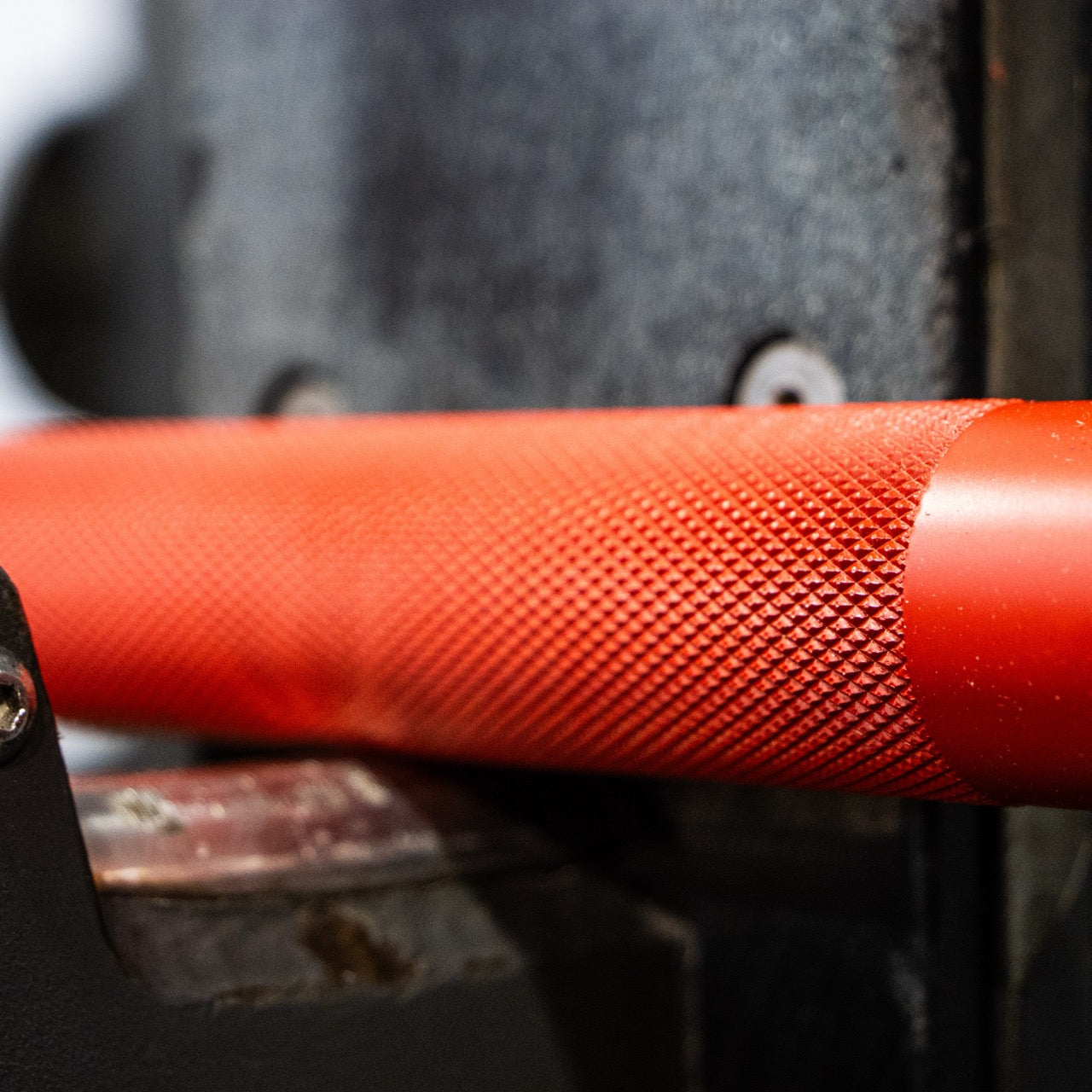

Leave a comment
All comments are moderated before being published.
This site is protected by hCaptcha and the hCaptcha Privacy Policy and Terms of Service apply.