

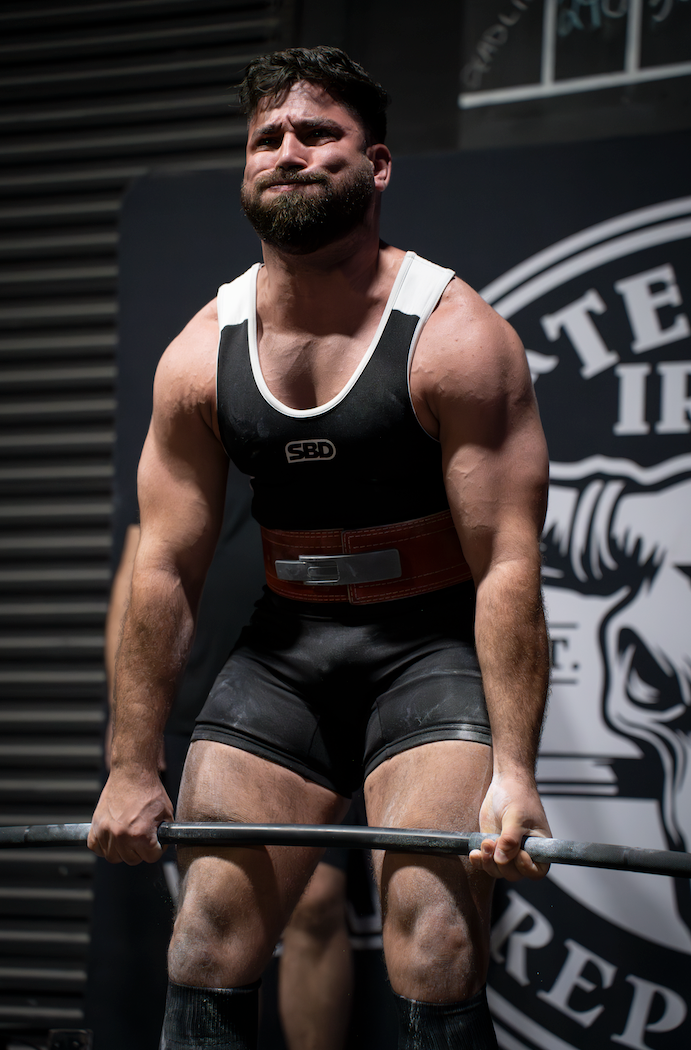
Best Barbell for Deadlifts: What to Look For in a Deadlift Bar
The best barbell for deadlifts is not always the stiffest bar, the most expensive bar, or the bar with the biggest spec sheet.
For heavy pulling, the right barbell needs the right combination of grip, shaft diameter, flex, sleeve length, steel quality, and durability.
A deadlift is different from a squat or bench press. The bar starts on the floor. The lifter has to create tension, break the weight from a dead stop, and maintain grip through the entire pull.
That is why serious lifters often use a dedicated deadlift bar.
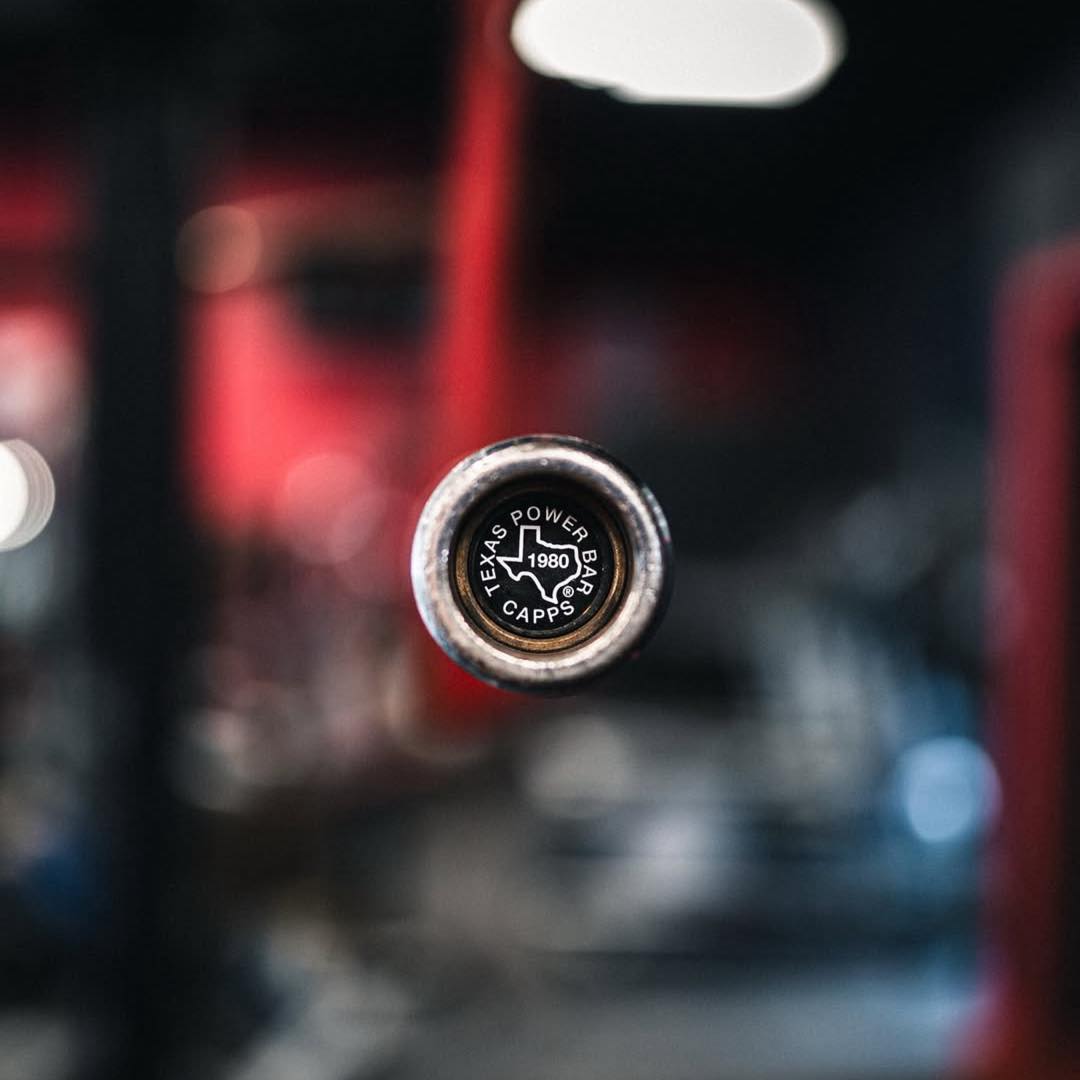
At Texas Power Bars, we have been building American-made barbells in Texas since 1980 using American steel. The Texas Deadlift Bar is purpose-built for lifters who want controlled flex, aggressive grip, and a bar designed specifically for pulling performance.
What Makes a Good Deadlift Bar?
A good deadlift bar should help the lifter get tight, grip hard, and pull with confidence.
The most important deadlift bar features are:
- Thinner shaft diameter for better grip
- Longer overall length for controlled flex
- Aggressive knurling for heavy pulls
- No center knurl for deadlift comfort
- Strong steel that flexes and returns straight
- Sleeves built for heavy loading
- Durability under repeated max-effort pulling
A deadlift bar is not just a power bar with a different name. It is built to behave differently under load.
Why Deadlift Bars Are Different From Power Bars
A power bar is built for squat, bench press, and deadlift. It needs to be stiff enough for squats and bench press while still usable for pulls.
A deadlift bar is more specialized.
Compared to a power bar, a deadlift bar is usually:
- Longer
- Thinner
- More flexible
- More focused on pulling grip
- Built without center knurling
The Texas Deadlift Bar uses a 27mm shaft, 92.5" overall length, aggressive knurling, no center knurl, and around 190k tensile strength to create a controlled pulling feel.
For lifters who want one bar for squat, bench press, and deadlift, a power bar like the Original Texas Power Bar or PRO Texas Power Bar can be a strong choice.
But for lifters who want a bar specifically built for deadlift performance, a dedicated deadlift bar is the better tool.
Compare All Texas Power Bars →
1. Shaft Diameter: Why 27mm Matters for Deadlifts
Shaft diameter has a major impact on grip.
Most power bars are around 28.5mm to 29mm. That diameter gives the bar more stiffness and stability for multiple lifts.
Deadlift bars are usually thinner. The Texas Deadlift Bar uses a 27mm shaft, which helps lifters get more hand around the bar during heavy pulls.
That thinner shaft can make a noticeable difference when grip is the limiting factor.
A thinner shaft also contributes to controlled bar flex, which changes how the bar leaves the floor under heavy load.
2. Flex: Why Deadlift Bars Bend More
Deadlift bars are designed to flex more than standard power bars.
That does not mean they are weak.
A quality deadlift bar is built to bend under load and return to straight after the lift.
Controlled flex allows the lifter to pull tension into the bar before the full weight leaves the floor. As the shaft bends, the lifter can begin loading the body, setting position, and building force before every plate fully breaks contact.
This is one of the biggest reasons lifters use a dedicated deadlift bar.
The goal is not random whip. The goal is controlled flex that supports heavy pulling performance.
3. Length: Why Deadlift Bars Are Longer
Deadlift bars are typically longer than standard power bars.
A longer bar creates more distance between the plates and more shaft length between the sleeves. That added length contributes to the bar’s flex profile.
The Texas Deadlift Bar is 92.5" long, compared to many standard power bars that are shorter.
That longer design helps create the pulling feel lifters expect from a true deadlift bar.
4. Knurling: Grip Matters More Than Almost Anything
Deadlifts expose grip weakness quickly.
If the bar starts slipping, the lift is usually over.
That is why aggressive knurling matters on a deadlift bar.
The knurl needs to bite into the hand enough to support heavy pulls, especially when the weight gets heavy, the set gets difficult, or the lifter is pulling for a max attempt.
Texas Power Bars are known for aggressive knurling, and the Texas Deadlift Bar is built with pulling grip in mind.
For lifters who care about grip, a dedicated deadlift bar with aggressive knurling can make a major difference compared to a more general training bar.
5. No Center Knurl: Why Deadlift Bars Skip It
Most deadlift bars do not use center knurling because the center of the bar does not need to grip the lifter’s back.
Center knurling is useful on squat bars and power bars because it helps secure the bar during squats.
During deadlifts, center knurling is usually unnecessary and can scrape the legs during pulling.
That is why the Texas Deadlift Bar is built with aggressive outer knurling and no center knurl.
It gives lifters grip where they need it without extra texture where they do not.
6. Steel Quality: Flex Without Permanent Bend
A deadlift bar needs to flex, but it should not permanently bend.
That is where steel quality, heat treatment, and manufacturing experience matter.
A cheap bar may bend and stay bent. A properly built deadlift bar flexes under load and returns to straight.
The Texas Deadlift Bar uses American steel and a design built around repeated heavy pulling.
For lifters choosing a deadlift bar, this is one of the most important differences between a real specialty bar and a bar that only looks similar online.
7. Sleeve Length and Loading Capacity
Deadlift training often involves heavy loading, especially for powerlifters and serious strength athletes.
Loadable sleeve length matters because it affects how much weight can fit on the bar and how the bar feels when loaded.
The Texas Deadlift Bar is built with long sleeves for serious pulling and heavy plate loading.
Whether using iron plates, calibrated plates, or a mix of training plates, a quality deadlift bar should support heavy loading without feeling unstable or underbuilt.
Best Barbell for Deadlifts by Lifter Type
The best deadlift barbell depends on your training goals.
Best for Dedicated Deadlift Training
The Texas Deadlift Bar is the best choice for lifters who want a bar built specifically for pulling performance, controlled flex, aggressive grip, and heavy deadlift training.
Best for One-Bar Home Gym Setups
The Original Texas Power Bar is a strong choice for lifters who want one aggressive power bar for squat, bench press, deadlift, and general strength training.
Best for a Stiffer Powerlifting Feel
The PRO Texas Power Bar is a strong choice for lifters who want a stiffer bar with reduced whip for heavy squat and bench press work, while still being usable for deadlifts.
Best for General Strength Training
The Texas All American Bar is a strong choice for lifters who want a medium knurl and versatile feel for general strength training, home gyms, and higher-volume work.
Should Beginners Use a Deadlift Bar?
Beginners can use a deadlift bar, but most beginners do not need one right away.
For many new lifters, a quality power bar or versatile training bar is the better first purchase because it can be used for more movements.
A deadlift bar makes more sense when:
- Deadlift performance is a major training priority
- The lifter competes in a federation that uses a deadlift bar
- The lifter already owns a power bar
- The lifter wants a dedicated pulling tool
- The gym needs specialty bars for serious strength training
For a first barbell, the Original Texas Power Bar or Texas All American Bar may be more practical.
For a dedicated pulling bar, the Texas Deadlift Bar is the better fit.
Deadlift Bar vs Power Bar: Which Should You Buy?
Choose a deadlift bar if your main goal is pulling performance.
Choose a power bar if you need one bar for multiple lifts.
| Goal | Best Bar Type | Texas Power Bars Option |
|---|---|---|
| Maximize deadlift performance | Deadlift bar | Texas Deadlift Bar |
| One bar for squat, bench, and deadlift | Power bar | Original Texas Power Bar |
| Stiffer heavy powerlifting feel | Stiff power bar | PRO Texas Power Bar |
| General strength training | Versatile training bar | Texas All American Bar |
Why Choose the Texas Deadlift Bar?
The Texas Deadlift Bar is built for lifters who want a true dedicated pulling bar.
Key features include:
- 27mm shaft for improved pulling grip
- 92.5" overall length for controlled flex
- Aggressive knurling for heavy deadlifts
- No center knurl for pulling comfort
- American steel
- Made in Texas
- Purpose-built deadlift performance
Since 1980, Texas Power Bars has built American-made barbells trusted by serious lifters. The Texas Deadlift Bar continues that legacy with a bar designed specifically for heavy pulls.
Final Thoughts: What Is the Best Barbell for Deadlifts?
The best barbell for deadlifts depends on your goal.
If you want one bar for general strength training, a power bar may be the better first choice.
If you want a dedicated pulling bar built for grip, flex, and heavy deadlift performance, the Texas Deadlift Bar is built for that job.
A great deadlift bar should be thin enough to grip, long enough to flex, aggressive enough to hold, and strong enough to return straight after heavy pulls.
That is exactly why dedicated deadlift bars exist.

Leave a comment
All comments are moderated before being published.
This site is protected by hCaptcha and the hCaptcha Privacy Policy and Terms of Service apply.