

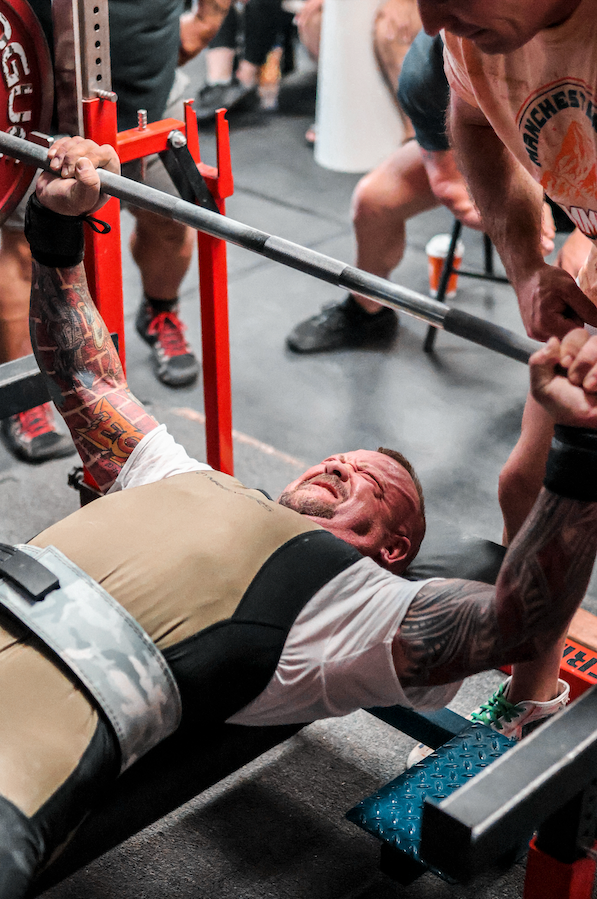
Best Barbell for Bench Press: Stiffness, Grip & Control
The best barbell for bench press should feel stable, secure, and predictable in the hands.
Bench press looks simple from the outside, but small details in the barbell can make a big difference once the weight gets heavy. Shaft stiffness, knurling, diameter, sleeve stability, and overall bar feel all affect how controlled the lift feels.
A bench press bar should help the lifter stay tight, keep the bar path consistent, grip with confidence, and press without unnecessary whip or instability.
At Texas Power Bars, we have been building American-made barbells in Texas since 1980 using American steel. Whether you need one power bar for squat, bench press, and deadlift, or a dedicated bench-focused bar, the right barbell should match the way you train.
What Makes a Good Bench Press Bar?
A good bench press bar should give the lifter control.
The most important bench press bar features are:
- Strong steel that resists permanent bending
- A stiff shaft with limited whip
- Knurling that gives confident grip
- Proper shaft diameter for pressing stability
- Sleeves that stay secure under load
- A center knurl or grip pattern that supports setup preference
- Long-term durability under repeated pressing
For bench press, the goal is not bar flex. The goal is control.
Why Stiffness Matters for Bench Press
During a heavy bench press, the lifter needs the bar to move in a consistent path.
If the bar flexes or oscillates too much, it can make the press feel less stable, especially with heavier loads or slower reps.
A stiffer bar gives lifters a more predictable feel in the hands.
That is why power bars and bench-specific bars are commonly preferred for serious bench press training. They reduce unwanted movement and help the lifter stay focused on tightness, technique, and pressing power.
Power Bar vs Bench Bar: What’s the Difference?
A power bar is built for squat, bench press, and deadlift.
A bench bar is more specialized for pressing.
Compared to a general power bar, a bench-focused bar may offer:
- A stiffer pressing feel
- More bench-specific stability
- A design focused on heavy pressing performance
- A grip and sleeve setup built around control under load
For many lifters, a power bar is the best first choice because it can be used for multiple lifts.
For lifters who bench heavy often, train in a powerlifting environment, or want a dedicated pressing bar, a bench bar can make sense.
Compare All Texas Power Bars →
1. Shaft Stiffness: The Foundation of a Good Bench Bar
Bench press usually benefits from a stiffer bar.
Unlike deadlifts, where controlled flex can help the bar break from the floor, bench press is performed above the body with the bar supported in the hands.
Too much whip can make the bar feel unstable, especially during heavy singles, pauses, or grinding reps.
A stiffer shaft helps the bar feel solid from unrack to lockout.
The PRO Texas Power Bar is a strong choice for lifters who want a stiffer power bar feel with reduced whip for heavy squat and bench press training.
2. Knurling: Grip Confidence Matters
Knurling matters in the bench press because the lifter needs to keep the bar locked into the hands.
If the bar feels slick, the lifter may lose confidence, over-grip, or struggle to keep a consistent wrist and hand position.
Good bench press knurling should provide enough bite to feel secure without making repeated training unnecessarily uncomfortable.
Texas Power Bars is known for aggressive knurling that gives lifters a strong connection to the bar under heavy weight.
The Original Texas Power Bar and PRO Texas Power Bar are both strong choices for lifters who want serious grip during heavy pressing.
3. Shaft Diameter: Stability in the Hands
Shaft diameter affects how the bar feels in the hands.
For bench press, many lifters prefer a shaft that feels stable and solid, rather than thin and flexible.
Common strength bar diameters include:
- 28.5mm: classic power bar feel with strong versatility
- 29mm: stiffer competition-style power bar feel
- 30mm: thicker pressing-focused feel on some bench bars
A thinner bar may be easier to grip for pulling, but bench press usually benefits from a more stable, stiffer feel.
That is why 29mm power bars and dedicated bench bars are popular among serious pressers.
4. Sleeve Stability: Why the Bar Should Feel Predictable
Sleeve construction matters because a barbell should feel balanced and secure when loaded.
During bench press, the lifter wants the bar to feel predictable during the unrack, descent, pause, press, and rack.
Loose, sloppy, or poorly built sleeves can make a bar feel less controlled.
A quality bench press bar should feel stable from setup through lockout.
5. Center Knurl and Bench Press
Center knurling is most often discussed for squats, but some bench pressers also like center knurl because it can provide a visual and tactile reference point during setup.
Power bars commonly include center knurl because they are designed for all three powerlifting movements.
The Original Texas Power Bar and PRO Texas Power Bar include a powerlifting-style design that supports squat, bench press, and deadlift training.
For lifters who want a dedicated pressing setup, a bench-specific bar can offer a more focused tool for heavy bench work.
Best Barbell for Bench Press by Lifter Type
The best bench press barbell depends on how you train.
Best for One-Bar Powerlifting Setups
The Original Texas Power Bar is a strong choice for lifters who want one aggressive power bar for squat, bench press, deadlift, and general strength training.
Best for a Stiffer Powerlifting Feel
The PRO Texas Power Bar is a strong choice for lifters who want a stiffer bar with reduced whip for heavy squat and bench press training.
Best for Dedicated Bench Press Training
The Texas Bench Bar is built for lifters who want a dedicated bar for pressing performance, bench stability, and heavy upper-body strength training.
Best for General Strength Training
The Texas All American Bar is a strong choice for lifters who want a medium knurl and versatile feel for home gyms, higher-volume training, and general strength work.
Should Beginners Use a Bench Bar?
Beginners can use a bench bar, but most beginners do not need one right away.
For many new lifters, a quality power bar or versatile training bar is a better first purchase because it can be used for more movements.
A dedicated bench bar makes more sense when:
- The lifter benches heavy often
- Bench press performance is a major training priority
- The gym needs a dedicated pressing bar
- The lifter already owns a general power bar
- The lifter wants a more stable bench-specific feel
For a first barbell, the Original Texas Power Bar or Texas All American Bar may be more practical.
For a dedicated pressing bar, the Texas Bench Bar is the better fit.
Bench Bar vs Power Bar: Which Should You Buy?
Choose a bench bar if your main goal is dedicated pressing performance.
Choose a power bar if you need one bar for multiple lifts.
| Goal | Best Bar Type | Texas Power Bars Option |
|---|---|---|
| One bar for squat, bench, and deadlift | Power bar | Original Texas Power Bar |
| Stiffer squat and bench feel | Stiff power bar | PRO Texas Power Bar |
| Dedicated bench press training | Bench bar | Texas Bench Bar |
| General strength training | Versatile training bar | Texas All American Bar |
Why Choose the Texas Bench Bar?
The Texas Bench Bar is built for lifters who want a dedicated pressing bar.
Bench press requires control, tightness, grip confidence, and a stable bar path. A bar built specifically for bench training gives serious pressers a purpose-built tool instead of forcing one general bar to do every job.
For lifters focused heavily on bench press strength, the Texas Bench Bar belongs in the conversation alongside power bars and other specialty bars.
Why Choose a Power Bar for Bench Press?
A power bar is still one of the best choices for bench press because it is built for serious strength training.
The Original Texas Power Bar is a strong fit for lifters who want a classic aggressive power bar for all three powerlifting movements.
The PRO Texas Power Bar is a strong fit for lifters who want a stiffer bar with less whip, especially for heavy squat and bench press work.
For many lifters, a power bar is the best first bench press bar because it can handle more than just pressing.
Final Thoughts: What Is the Best Barbell for Bench Press?
The best barbell for bench press depends on your goal.
If you want one bar for squat, bench press, and deadlift, a quality power bar is usually the best first choice.
If you want a stiffer powerlifting feel for heavy pressing, the PRO Texas Power Bar is a strong option.
If bench press is a major priority and you want a dedicated pressing tool, the Texas Bench Bar is built for that job.
A great bench press bar should feel stable in the hands, provide dependable grip, resist unwanted whip, and give the lifter confidence from unrack to lockout.

Leave a comment
All comments are moderated before being published.
This site is protected by hCaptcha and the hCaptcha Privacy Policy and Terms of Service apply.