

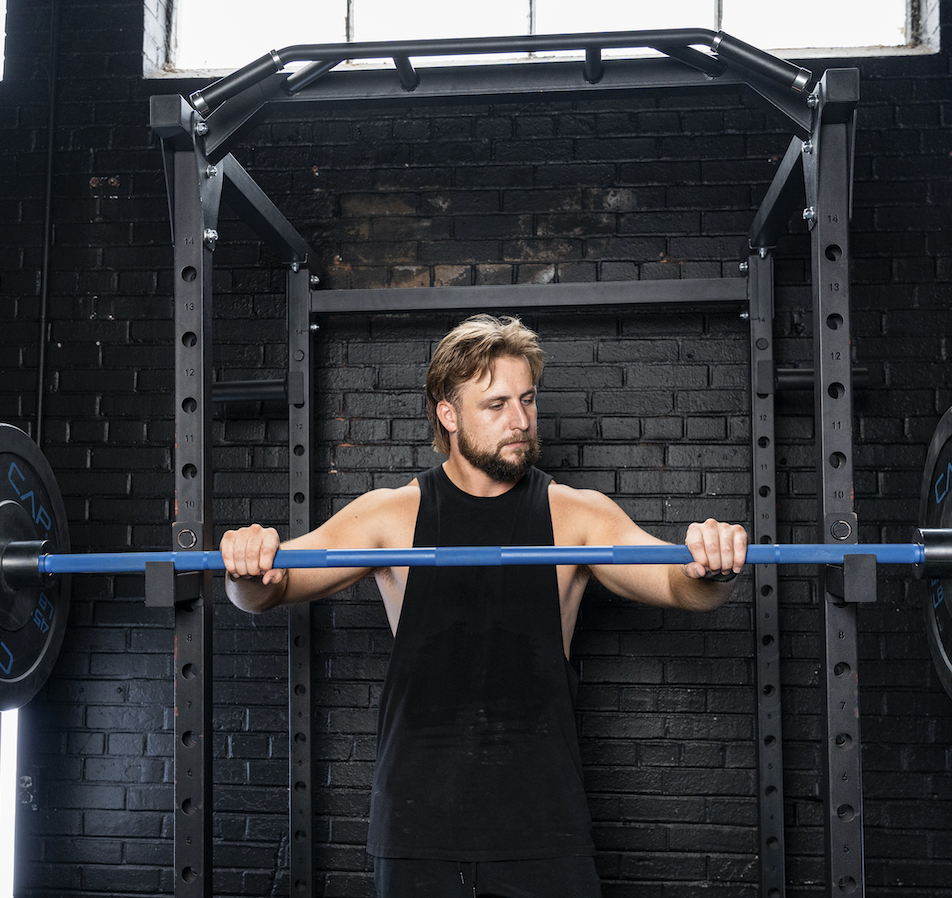
General Purpose Bar vs Specialty Bar: Why Serious Lifters Use Both
One quality barbell can take a lifter a long way.
But as training becomes more specific, many serious lifters eventually realize that no single bar is perfect for every lift.
A general purpose bar or power bar can handle a wide range of strength training. A specialty bar is built to maximize performance for a specific movement, weakness, or training goal.
That is why serious home gyms, powerlifting gyms, schools, and strength facilities often use more than one barbell.
At Texas Power Bars, we have been building American-made barbells in Texas since 1980 using American steel. Our lineup includes power bars, deadlift bars, squat bars, bench bars, multi-purpose bars, and specialty bars so lifters can choose the right tool for the way they train.
What Is a General Purpose Barbell?
A general purpose barbell is designed to handle a wide range of training.
Depending on the bar, it may be used for:
- Squats
- Bench press
- Deadlifts
- Rows
- Overhead presses
- General strength training
- Home gym workouts
- Higher-volume training
For many lifters, a general purpose bar or power bar is the best first barbell because it covers the most training needs.
The Original Texas Power Bar is a classic choice for lifters who want one aggressive power bar for squat, bench press, deadlift, and general strength training.
The Texas All American Bar is a strong choice for lifters who want a medium knurl, versatile feel, and scalable options for home gyms, beginners, and higher-volume work.
What Is a Specialty Barbell?
A specialty barbell is designed for a more specific training purpose.
Instead of trying to be good at everything, a specialty bar is built to solve a specific problem or improve a specific lift.
Examples include:
- Deadlift bars for heavy pulling
- Squat bars for maximum stability
- Bench bars for pressing control
- Fat axle bars for grip strength
- Safety squat bars for squat variations and upper-back training
Specialty bars are not always the first bar a lifter buys, but they often become valuable once training goals become more specific.
Shop Texas Power Bars Specialty Bars →
General Purpose Bar vs Specialty Bar: Main Difference
The main difference is versatility versus specificity.
A general purpose bar is built to do many things well.
A specialty bar is built to do one job extremely well.
| Bar Type | Best For | Main Advantage |
|---|---|---|
| General Purpose Bar | Broad strength training | Versatility |
| Power Bar | Squat, bench press, deadlift | Powerlifting-focused strength training |
| Deadlift Bar | Heavy pulls | Controlled flex and pulling grip |
| Squat Bar | Heavy squats | Maximum stability and rigidity |
| Bench Bar | Heavy pressing | Pressing control and stability |
| Fat Axle Bar | Grip strength | Hand and forearm development |
Compare All Texas Power Bars →
Why One Barbell Can Be Enough at First
Most lifters do not need every specialty bar on day one.
For a new home gym, school weight room, or general strength setup, one strong barbell can cover the majority of training.
A quality power bar or multi-purpose bar can be used for squats, bench press, deadlifts, rows, presses, and basic strength training.
That is why the first barbell should usually be durable, versatile, and matched to the lifter’s main goals.
For powerlifting-style training, the Original Texas Power Bar is a proven starting point.
For a more versatile medium-knurl feel, the Texas All American Bar is a strong option.
Why Serious Lifters Upgrade Beyond One Bar
As lifters get stronger, the barbell starts to matter more.
At lighter weights, many bars can feel similar. Under heavy loads, differences in whip, stiffness, grip, diameter, and stability become much easier to feel.
That is when lifters often begin adding more specialized tools.
A lifter may want:
- A stiffer power bar for heavy squat and bench press work
- A deadlift bar for better pulling feel and grip
- A squat bar for reduced whip and better back stability
- A bench bar for more pressing control
- A fat axle bar to build grip strength
Specialty bars do not replace good programming or hard training. They simply give lifters better tools for specific jobs.
Power Bars: The Bridge Between Versatility and Specificity
A power bar sits between a general training bar and a fully specialized bar.
It is still versatile enough for squat, bench press, and deadlift, but it is built with serious strength training in mind.
For lifters choosing between a basic training bar and a more serious strength bar, this is where the Texas Power Bar lineup matters.
Original Texas Power Bar
The Original Texas Power Bar is best for lifters who want a classic, aggressive power bar for squat, bench press, deadlift, and general strength training.
PRO Texas Power Bar
The PRO Texas Power Bar is best for lifters who want a stiffer upgraded power bar with reduced whip for heavy squat and bench press training.
Texas Power Bar ELITE
The Texas Power Bar ELITE is built for lifters who want a premium power bar experience with the most refined feel in the Texas Power Bars lineup.
For serious lifters comparing the Original, PRO, and ELITE, the choice comes down to how much stiffness, refinement, and premium performance they want from their main power bar.
Deadlift Bars: Built for Pulling Performance
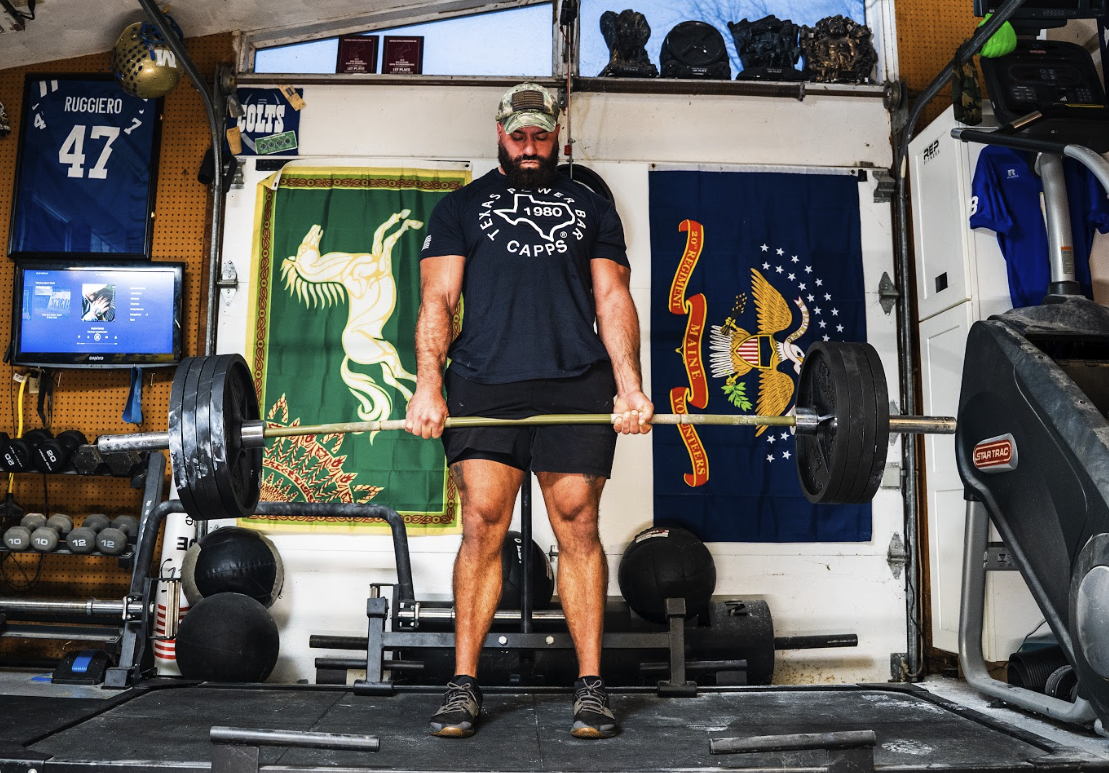
A dedicated deadlift bar is built for one job: pulling heavy weight from the floor.
Compared to a standard power bar, a deadlift bar is typically thinner, longer, and more flexible.
The Texas Deadlift Bar is best for lifters who want controlled flex, aggressive grip, and a bar designed specifically for heavy deadlifts.
This is a strong example of why specialty bars exist. A power bar can deadlift, but a deadlift bar is designed specifically around pulling performance.
Squat Bars: Built for Stability
A dedicated squat bar is designed to feel more stable under heavy loads.
Compared to a standard power bar, a squat bar is usually thicker, heavier, longer, and more rigid.
The Texas Squat Bar is best for lifters who want maximum rigidity, upper-back stability, reduced oscillation, and a bar built specifically for heavy squat training.
For lifters who squat heavy often, a dedicated squat bar can make the lift feel more controlled from walkout to lockout.
Bench Bars: Built for Pressing Control
Bench press rewards stability, tightness, and control.
A dedicated bench bar is built for lifters who want a more pressing-focused tool.
The Texas Bench Bar is best for lifters who want a dedicated bar for bench press training, pressing stability, and heavy upper-body strength work.
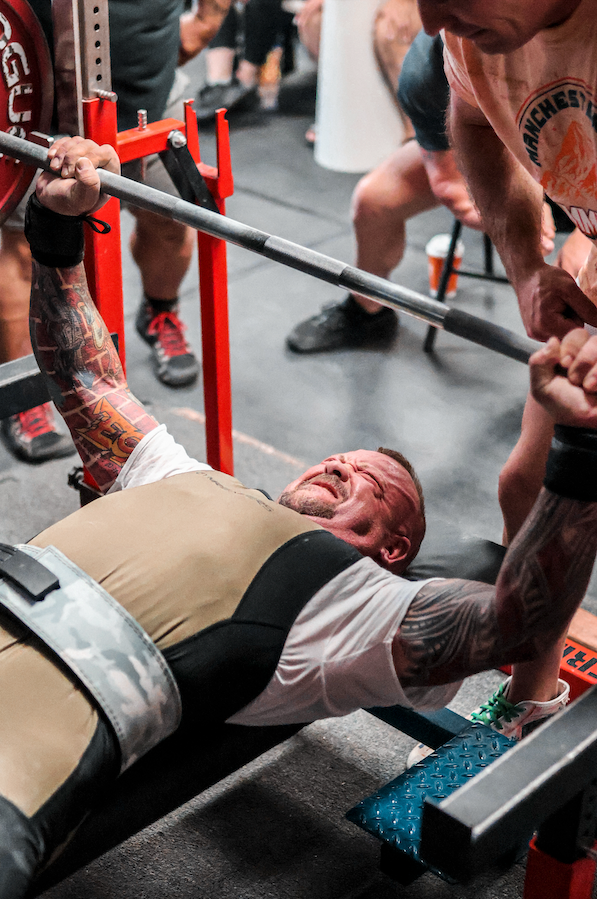
For many lifters, a power bar is enough for bench press. But for serious pressers, a dedicated bench bar can make sense.
Fat Axle Bars: Built for Grip Strength
Some specialty bars are designed to make training harder in a productive way.
A fat axle bar uses a thicker shaft to challenge the hands, forearms, and grip.
The Texas Fat Axle Power Bar is best for lifters focused on grip strength, strongman-style training, and accessory work.
If grip strength limits your deadlift, rows, carries, or pulling strength, a fat axle bar can help expose and train that weakness.
Best Bar Setup by Training Goal
The right bar setup depends on the lifter.
Best Simple Home Gym Setup
Start with the Original Texas Power Bar or Texas All American Bar.
This gives the lifter one dependable bar for most strength training.
Best Serious Powerlifting Setup
Use a main power bar, then add specialty bars based on the lifter’s priorities.
- Original Texas Power Bar, PRO Texas Power Bar, or Texas Power Bar ELITE for main powerlifting work
- Texas Deadlift Bar for pulling
- Texas Squat Bar for heavy squats
- Texas Bench Bar for dedicated pressing
Best Grip-Focused Setup
Use a power bar for main strength work and add the Texas Fat Axle Power Bar for grip-focused accessory training.
Best School or Commercial Gym Setup
Use a mix of versatile bars and specialty bars so different lifters can train according to their goals.
The Texas All American Bar can serve general training needs, while power bars and specialty bars support heavier strength work.
Do Specialty Bars Make You Stronger?
Specialty bars do not create strength automatically.
But they can help lifters train more specifically.
A deadlift bar helps lifters train the pull with a bar designed for deadlift performance.
A squat bar helps lifters handle heavy squat loads with more stability.
A bench bar gives pressers a more focused tool for heavy pressing.
A fat axle bar challenges grip strength in a way a standard bar does not.
The value comes from matching the tool to the training goal.
When Should You Add a Specialty Bar?
A specialty bar makes sense when a lifter has a clear reason for it.
Good reasons include:
- You already own a main barbell
- You train one lift heavily and consistently
- You compete in a sport that uses specialty bars
- Your gym serves advanced lifters
- You want to target grip, squat stability, pulling strength, or pressing control
- Your current bar is limiting performance or confidence
If you are still building the foundation, start with a quality power bar or versatile training bar.
If your training is becoming more specific, specialty bars can help you get more out of each lift.
Final Thoughts: General Purpose Bar vs Specialty Bar
A general purpose bar is best when you need one bar to handle a wide range of training.
A specialty bar is best when you want a tool built for a specific lift, weakness, or performance goal.
Most lifters should start with a strong main barbell. As training becomes more serious, adding specialty bars can make the gym more complete.
That is why serious lifters often use both.

Leave a comment
All comments are moderated before being published.
This site is protected by hCaptcha and the hCaptcha Privacy Policy and Terms of Service apply.