

Does Bare Steel Rust? Patina, Oxidation & What to Expect Over Time
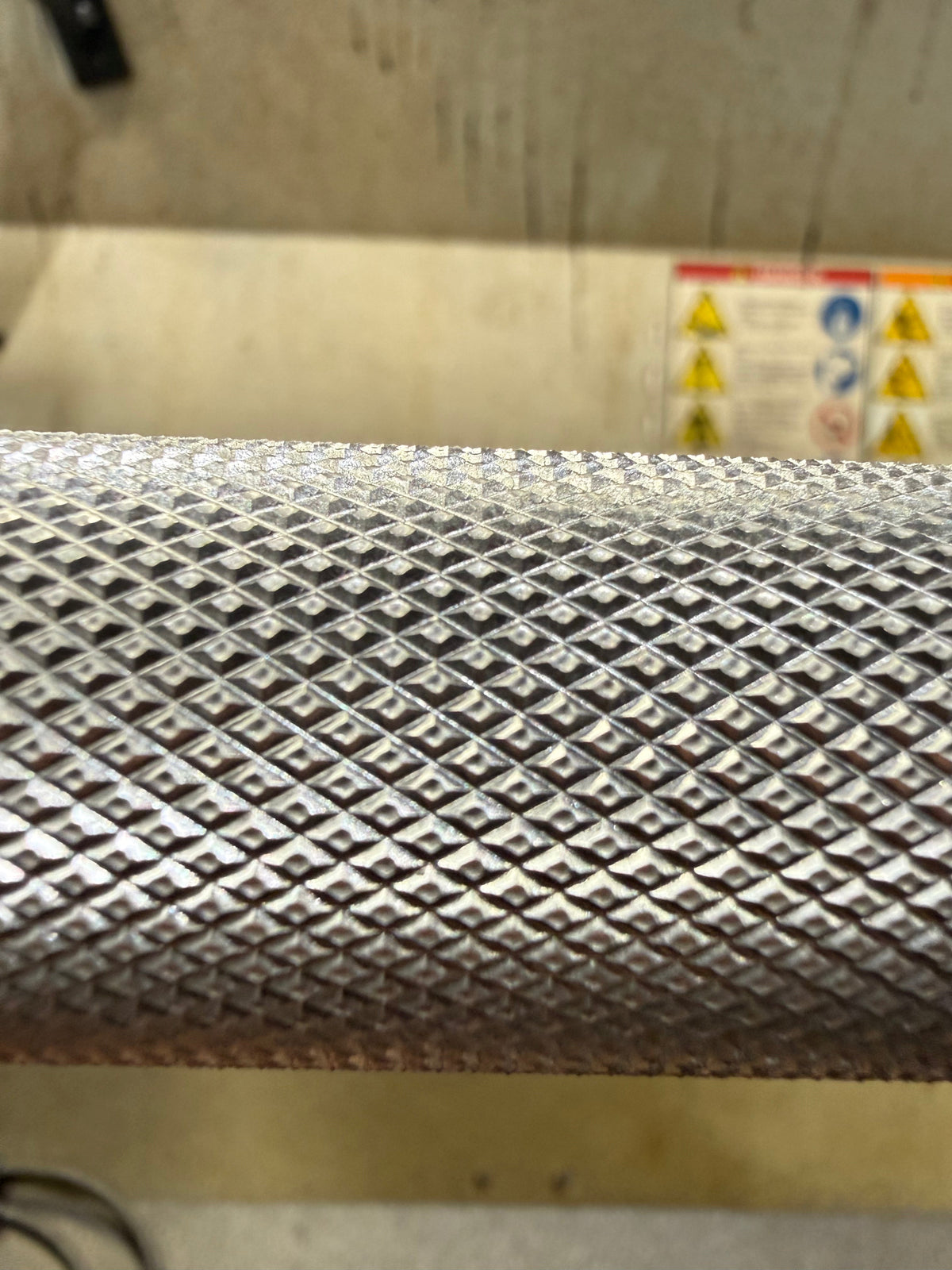
Does a bare steel barbell rust? Yes. Because bare steel has no protective coating, it can develop surface rust when exposed to moisture, sweat, humidity, and environmental conditions.
But rust isn't the only change you should expect. Bare steel naturally develops a patina over time, which may cause the bar to darken or change color as it ages.
Understanding those changes before purchasing is important, especially if you expect your barbell to maintain the same bright steel appearance it had when new.
At Texas Power Bars, we offer bare steel and protective finishes because different lifters have different preferences and maintenance needs.
Quick Answer: Will a Bare Steel Barbell Rust?
Bare steel can rust because its surface is not protected by chrome, zinc, or Cerakote.
Even when properly maintained, bare steel will naturally develop patina and may develop surface oxidation over time. How quickly this happens depends on humidity, handling, storage, and maintenance.
For owners wanting more corrosion resistance, Chrome, Black Zinc, and Cerakote are available alternatives on applicable Texas Power Bars models.
What Is Barbell Patina?
Patina refers to the changes in appearance that develop on exposed steel as it reacts to its environment and regular handling.
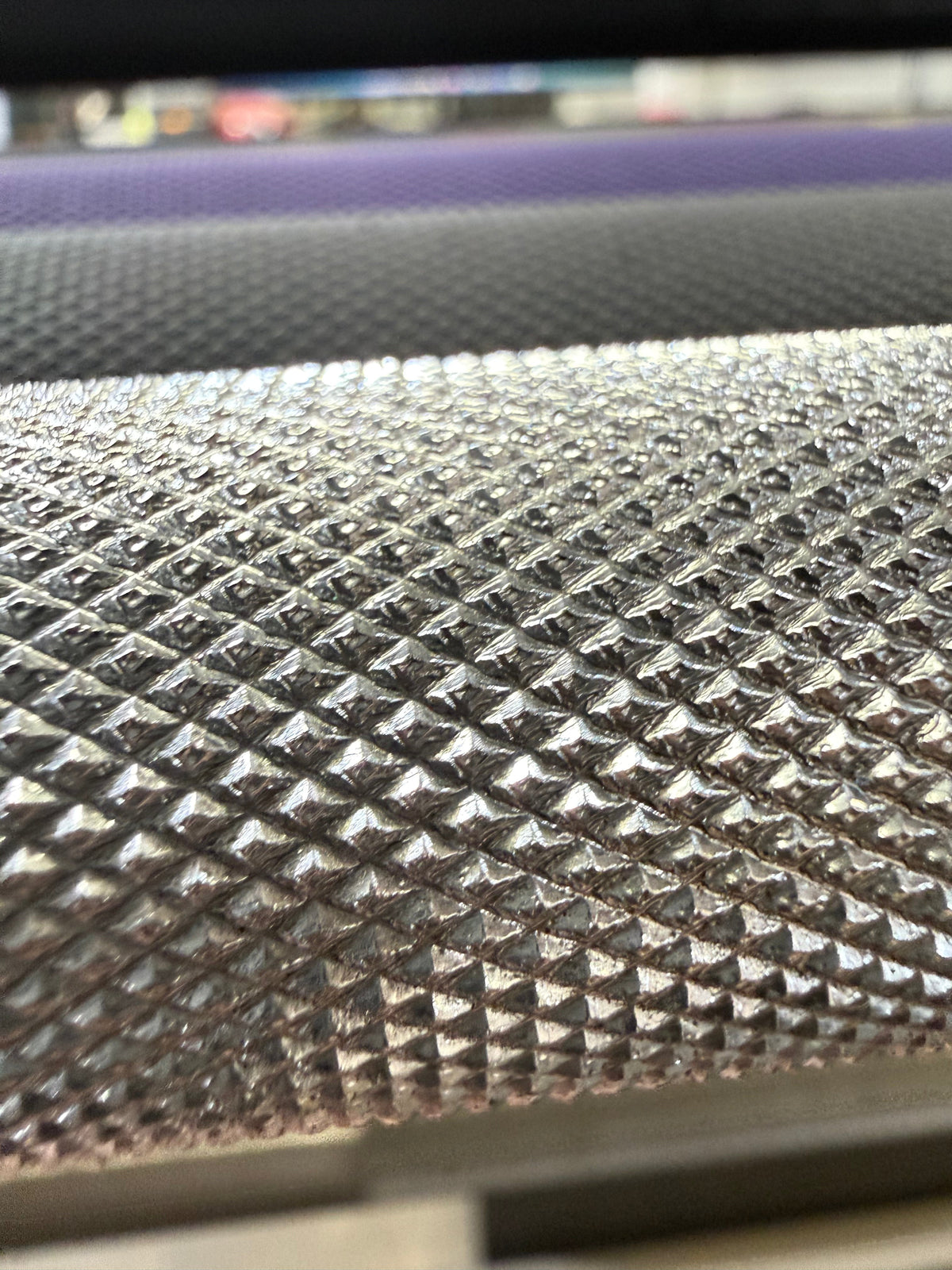
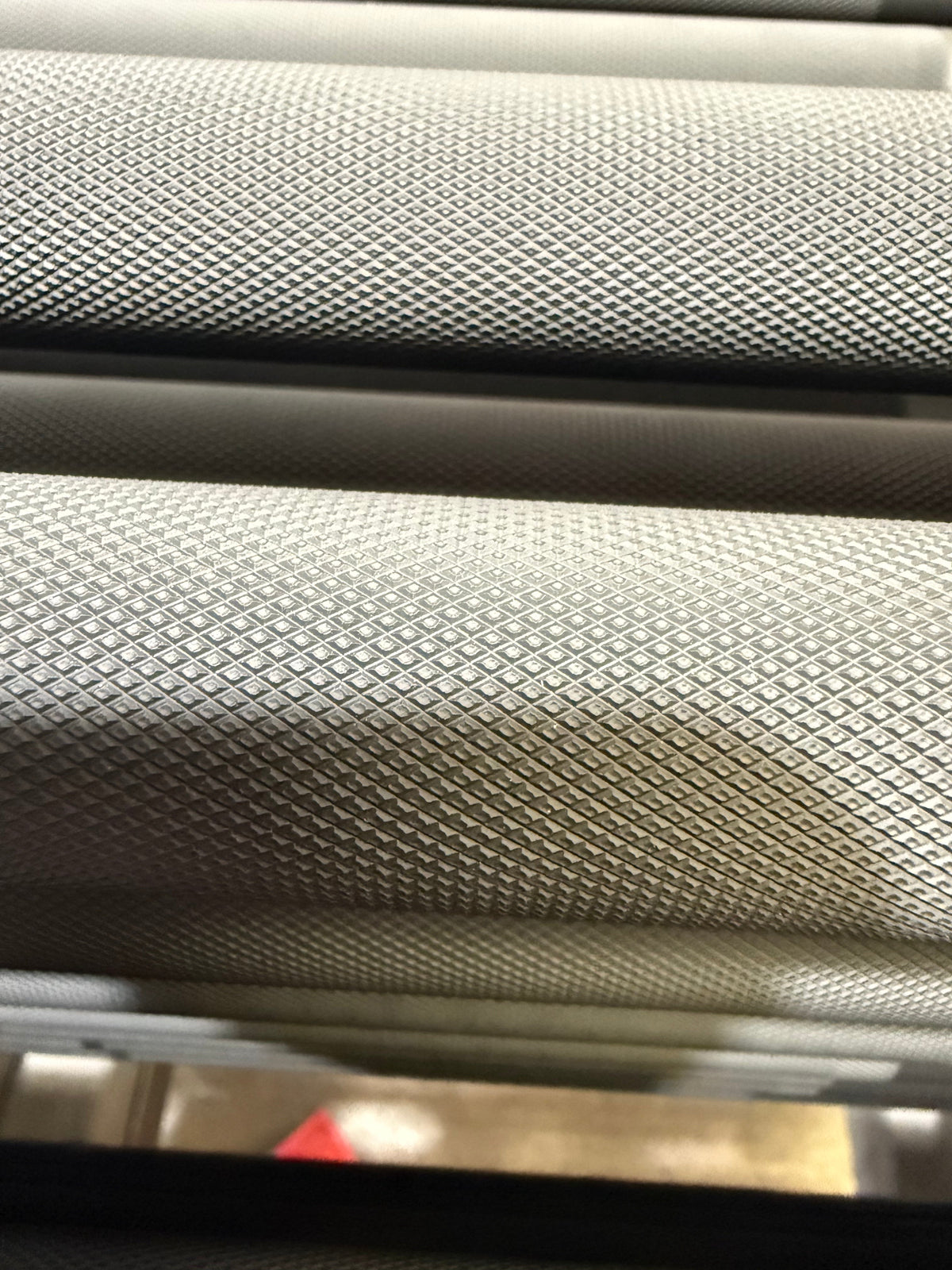
A bare steel barbell may gradually become darker, develop gray or brown-toned discoloration, or show uneven changes in its surface appearance.
The exact appearance varies from bar to bar.
Patina is normal on bare steel and is part of owning an uncoated steel product. It does not automatically mean the barbell has a structural defect.
What Is the Difference Between Patina and Rust?
The terms are related but not identical in everyday barbell care.
Patina describes a change in the steel's appearance, often involving a thin layer of oxidation or other surface reactions. It may appear as darkening or discoloration.
Surface rust typically describes visible iron corrosion, often orange or reddish-brown in appearance.
These conditions can overlap. A dark-looking surface is not necessarily free from oxidation, and a lightly rusted area may develop within a larger patinated surface.
Light cosmetic oxidation is different from severe corrosion, deep pitting, or damage that compromises the bar's safe use.
Why Does Bare Steel Develop Patina?
Bare steel changes appearance because it is directly exposed to the environment.
Several factors influence how quickly that happens:
- Sweat: Introduces moisture and salts during training.
- Humidity: Increases moisture exposure, especially in garages.
- Handling: Repeated contact may create uneven surface changes.
- Chalk and residue: Buildup may retain moisture in the knurling.
- Storage conditions: Temperature changes and condensation can accelerate oxidation.
- Maintenance: Regular cleaning and light oiling can reduce unwanted surface corrosion.
A barbell stored in a climate-controlled gym may age differently from an identical barbell kept in a humid, unconditioned garage.
Is Patina on a Bare Steel Barbell Normal?
Yes. Natural patina is an expected characteristic of bare steel.
Texas Power Bars identifies patina, discoloration, and possible surface rust as characteristics of bare steel ownership.
It is important to distinguish these cosmetic changes from actual workmanship or manufacturing defects.
For warranty details, see the Texas Power Bars Warranty.
Does Bare Steel Stay Shiny Forever?
No. If you purchase bare steel expecting it to maintain a uniform, bright, new-steel appearance indefinitely, it may not be the right finish for you.
Regular maintenance helps preserve the shaft and reduce rust, but it does not permanently prevent all cosmetic changes.
Some lifters appreciate the aged look. Others prefer protective finishes that provide greater resistance to oxidation and retain a more consistent appearance.
Can You Prevent Rust on a Bare Steel Barbell?
You can reduce the likelihood and severity of rust, but no care routine can guarantee that bare steel will never oxidize.
Good habits include:
- Wiping sweat and moisture off the shaft after training.
- Removing chalk and liquid-grip buildup from knurling.
- Cleaning the shaft with an appropriate steel-bristle brush for bare steel.
- Applying a thin layer of light protective oil periodically.
- Removing excess oil before lifting.
- Storing the bar indoors in a dry environment.
- Inspecting the bar more often in humid conditions.
Read our bare steel maintenance guide for a detailed cleaning routine and instructional video.
Can a New Bare Steel Barbell Develop Rust Quickly?
It can, particularly when exposed to moisture or high humidity.
The speed of oxidation is not determined only by how old the bar is. A relatively new bar stored in a damp environment may develop visible rust sooner than an older bar maintained in a dry gym.
For this reason, customers should account for their actual storage conditions before selecting a bare steel finish.
Does Bare Steel Rust in a Garage Gym?
Garage gyms are especially important to consider because many are not climate controlled.
Seasonal humidity, temperature swings, and condensation can increase the risk of corrosion.
If you keep a bare steel barbell in a garage, it may require more frequent cleaning, drying, and light oiling.
For owners who prefer easier maintenance, a corrosion-resistant finish may make more sense.
Bare Steel vs Protective Barbell Finishes
| Finish | Corrosion Protection | What to Expect |
|---|---|---|
| Bare Steel | No protective coating | Natural patina, possible surface rust, regular maintenance |
| Chrome | Added protection | More corrosion resistance, still subject to wear and damage |
| Black Zinc | Added protection | Dark appearance, possible cosmetic wear over time |
| Cerakote | Added protection | Color choices, reduced maintenance, possible coating wear |
Protective finishes are not permanently immune to corrosion or cosmetic wear, but they provide an additional barrier that bare steel does not have.
Does Rust Affect Barbell Performance?
Small amounts of surface oxidation do not necessarily mean a barbell is unsafe or structurally compromised.
However, severe corrosion, deep pitting, cracks, damaged sleeves, or other suspected structural problems should not be ignored.
If you suspect a problem beyond superficial discoloration, stop using the bar and contact the manufacturer for guidance before attempting aggressive restoration.
Is Bare Steel Covered Under Warranty Against Rust?
Texas Power Bars' finish policy excludes normal oxidation, patina, surface rust, and appearance changes caused by environmental exposure, use, or inadequate maintenance.
That does not mean craftsmanship defects are treated the same way. Consult the published warranty for the complete terms and coverage.
Review the Texas Power Bars Warranty
Should You Choose Bare Steel or a Coated Barbell?
Choose bare steel if you specifically prefer the raw, uncoated knurling feel and understand the additional care it requires.
Consider Chrome, Black Zinc, or Cerakote if you want additional corrosion resistance, less upkeep, or a more consistent long-term appearance.
Whether you choose the Original Texas Power Bar, PRO Texas Power Bar, or another model, shaft design and finish selection should be evaluated separately.
Final Thoughts: Bare Steel Changes Over Time
Bare steel naturally develops patina and may develop surface rust. This is an expected characteristic of uncoated steel.
Proper care helps reduce corrosion and keep the bar in good working condition, but it does not guarantee that the surface will remain visually unchanged.
If you like the raw feel and don't mind the maintenance, bare steel may be right for you.
If you'd rather spend less time maintaining your barbell, consider a protective finish.
Compare Texas Power Bars | Barbell Care FAQs | Warranty Information

Leave a comment
All comments are moderated before being published.
This site is protected by hCaptcha and the hCaptcha Privacy Policy and Terms of Service apply.