


How to Clean and Maintain a Bare Steel Barbell: Prevent Rust & Protect Your Knurl
Wondering how to clean a bare steel barbell, prevent rust, or remove chalk and buildup from your bar's knurling?
Bare steel provides the direct, uncoated grip feel that some serious lifters prefer. But because there is no corrosion-resistant coating, routine maintenance is part of ownership.
Over time, bare steel naturally develops patina and may develop surface rust, particularly in humid training environments.
At Texas Power Bars, we've manufactured American-made barbells using American steel since 1980. Proper care helps keep your barbell clean, functional, and ready for years of heavy training.
Quick Answer: How Do You Maintain a Bare Steel Barbell?
Remove sweat, chalk, and moisture regularly. Brush the knurling with a suitable steel-bristle maintenance brush for bare steel, periodically apply a thin layer of light protective oil, and wipe away excess oil before training.
Store the bar indoors in a dry environment. Increase maintenance frequency when humidity, sweat, or chalk buildup is significant.
Even with good care, some natural patina should be expected.
Watch: Texas Power Bars Barbell Maintenance
Watch our official maintenance video for a visual reference when caring for your barbell.
Watch the maintenance video on YouTube
Why Does Bare Steel Need Maintenance?
Unlike a chrome, zinc, or Cerakote finish, bare steel is directly exposed to moisture and environmental conditions.
Without regular cleaning, moisture, perspiration, and residue can contribute to oxidation.
Over time, the steel may develop darker patina or visible surface rust.
Regular maintenance helps reduce unwanted corrosion and preserve the gripping surface, although it cannot prevent every cosmetic change.
What Do You Need to Clean a Bare Steel Barbell?
Basic maintenance supplies include:
- A suitable steel-bristle barbell maintenance brush for bare steel.
- A clean, lint-free cloth.
- A small amount of light protective oil, such as 3-IN-ONE Multi-Purpose Oil.
- A stable, dry place to support the bar during cleaning.
Choose cleaning tools based on the actual finish. Steel-bristle brushes intended for bare steel should not be used indiscriminately on coated barbell shafts.
Step 1: Remove Chalk, Sweat, and Residue
Start by wiping the shaft with a clean, dry cloth to remove moisture and loose debris.
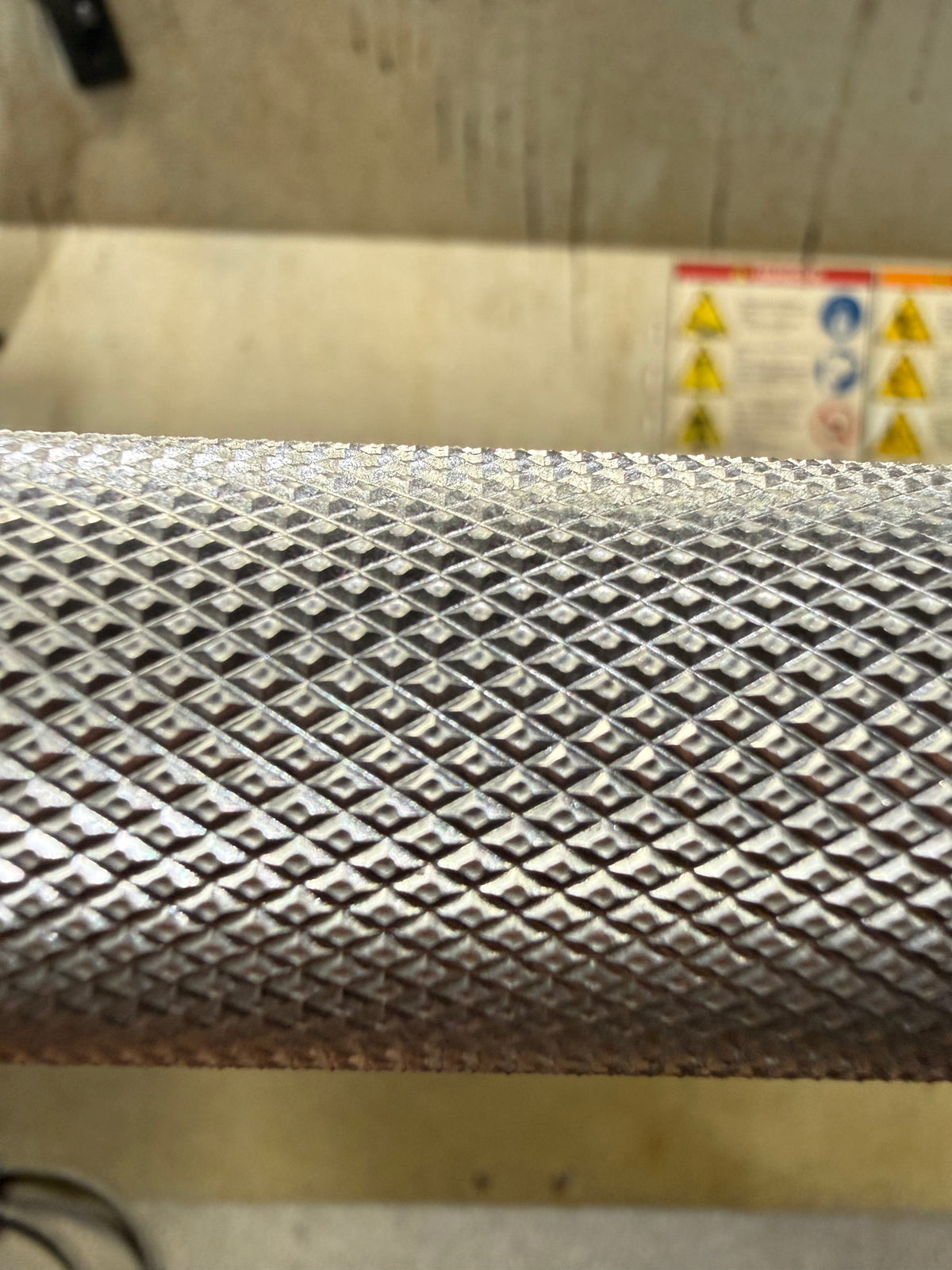
Then brush the knurling to clear chalk and buildup from the grooves.
Use controlled pressure and pay attention to frequently gripped areas and the center knurl where applicable.
Remove the loosened residue with a clean cloth.
If your bar has coated portions, use an appropriate softer brush on those surfaces.
Step 2: Inspect the Bar for Rust and Patina
After cleaning, examine the exposed shaft for discoloration or corrosion.
Darkened or unevenly colored bare steel may be showing normal patina.
Orange or reddish-brown areas may indicate visible surface rust.
Light cosmetic oxidation should be distinguished from deep corrosion, substantial pitting, cracks, or other signs of damage.
If the bar shows potential structural damage, stop using it and contact Texas Power Bars before attempting restoration.
Step 3: Address Light Surface Rust
For light surface rust on an uncoated bare steel shaft, gently brush the affected area using a suitable steel maintenance brush.
Remove loosened residue with a clean, dry cloth.
Do not use aggressive abrasives or attempt to polish away deep damage without guidance. Excessive abrasion can change the appearance and texture of the steel.
For coated bars, follow finish-specific cleaning instructions rather than treating the surface as bare steel.
Step 4: Apply a Light Protective Oil
Bare steel benefits from periodic application of a light protective oil.
Put a small amount of suitable oil on a clean cloth and apply a thin film to the exposed steel.
Avoid saturating the knurling or leaving puddles of oil on the shaft.
Once the surface is treated, wipe away excess oil thoroughly before lifting so the bar is not unnecessarily slippery.
Keep oil off the floor and lifting platform.
Important: Do not disassemble, modify, or lubricate the sleeves or internal barbell components without first contacting Texas Power Bars.
Step 5: Store the Barbell in a Dry Environment
Good storage can make a major difference in corrosion risk.
Keep your barbell indoors and away from direct water exposure.
If your training space is an unconditioned garage, monitor humidity and condensation. Inspect and clean the bar more frequently when conditions are damp.
Avoid leaving wet towels, lifting straps, or other moisture-holding items in contact with the shaft.
Outdoor storage is not recommended.
How Often Should You Clean a Bare Steel Barbell?
The correct schedule depends on how often you train, how much chalk and sweat accumulates, and your storage conditions.
| When | Suggested Maintenance |
|---|---|
| After training | Wipe off sweat, moisture, and loose residue. |
| When chalk builds up | Brush the knurling and remove residue. |
| Periodically | Inspect for oxidation and apply a thin protective oil film as needed. |
| During humid conditions | Inspect and maintain more frequently. |
There is no single schedule that fits every bare steel barbell. A dry, climate-controlled gym may require less attention than an unconditioned garage.
Can You Completely Prevent Bare Steel Patina?
No maintenance routine guarantees that bare steel will retain its original bright appearance forever.
Routine cleaning and protective oil can help reduce corrosion, but bare steel naturally develops patina as it ages.
Patina and cosmetic discoloration are part of owning an exposed steel product.
If a consistently bright appearance and less frequent maintenance matter to you, consider a barbell with a protective finish.
Can You Use a Steel Brush on Chrome, Zinc, or Cerakote?
Texas Power Bars recommends a softer nylon brush for coated barbell finishes, including Chrome, Black Zinc, and Cerakote.
A steel-bristle brush can unnecessarily scratch or accelerate cosmetic wear on coated surfaces.
Always identify the finish before choosing a cleaning tool.
What If My Barbell Has Rust on the Sleeves?
Shaft finish and sleeve finish are not always the same.
Before cleaning sleeves, determine whether they are bare steel, plated, or otherwise coated.
Use the appropriate cleaning method and avoid introducing oil, debris, or abrasive materials into the sleeve mechanisms.
If you're unsure how to maintain a particular sleeve or internal component, contact the Texas Power Bars support team for guidance.
Does Barbell Rust Mean the Bar Is Defective?
Not necessarily.
Bare steel has no protective corrosion-resistant coating, so oxidation and surface rust may occur depending on maintenance and storage conditions.
Texas Power Bars distinguishes normal finish appearance changes from workmanship concerns in its warranty.
For full details, review the Texas Power Bars Warranty.
Final Thoughts: Keep Your Bare Steel Barbell Ready to Lift
Bare steel is a traditional choice for lifters who value direct contact with the original knurling.
That preference comes with additional responsibility.
Regularly removing chalk and moisture, brushing the knurling, periodically applying light protective oil, and storing your bar indoors can help reduce unwanted corrosion.
But remember: bare steel naturally develops patina and may develop surface rust over time.
If you prefer less maintenance, Chrome, Black Zinc, or Cerakote may be a better choice.
Built in Texas using American steel since 1980. Take care of your bar, and keep putting it to work.
Barbell Maintenance FAQs | Warranty Information | Contact Texas Power Bars

Leave a comment
All comments are moderated before being published.
This site is protected by hCaptcha and the hCaptcha Privacy Policy and Terms of Service apply.